
Kickboxing and reformer pilates together: a balanced weekly program
How explosive kickboxing and controlled reformer pilates complement each other, and how to place them in your week.
Kickboxing and reformer pilates look like two opposite worlds at first glance: one explosive, sweaty and rhythmic; the other controlled, slow and precise. Yet within the same week these two disciplines complement each other surprisingly well. Kickboxing provides cardiovascular endurance, coordination and stress release, while reformer pilates develops core control, hip stability and flexibility. If you are spending a short season in Yalıkavak, placing both classes in a balanced weekly program can be fun and productive. In this article we describe how you can combine these two classes offered at O'Wellness Yalıkavak.
What each discipline gives the other
Strikes in kickboxing require a chain of power transfer that starts at the hips, torso and feet. Weak links in this chain, such as uncontrolled hips or a collapsed core, are easily spotted on the reformer. Reformer pilates strengthens the trunk stability needed during a strike by working slowly and under control. On the other hand, the rhythm and coordination from kickboxing also carry over to the movement flow on the reformer. In this way each fills in what the other leaves incomplete.
A sample weekly structure
- Monday: kickboxing class, medium-high intensity.
- Tuesday: reformer pilates, focused on control and flexibility.
- Wednesday: Sunrise Yoga or a light walk, active rest.
- Thursday: kickboxing class, technique-weighted.
- Friday: reformer pilates, hip and shoulder stability.
- Weekend: sea, walking and Sunset Stretch.
This is only an example. Three classes a week are enough at the beginning; as your body adapts you can increase the number. Avoiding two intense classes on consecutive days helps protect recovery, especially in hot weather.
Class order: two classes on the same day?
If you want to do two classes on the same day, it is usually better to place intense kickboxing in the morning and light reformer in the evening. Doing reformer with heavy springs when the muscles are tired after kickboxing can make control difficult. The reverse order, reformer first and then kickboxing, works for some people because it warms and aligns the body well, but then you may need to keep the kickboxing intensity slightly lower. Make sure there are at least a few hours between them, a suitable meal and plenty of water.
Heat and hydration
Kickboxing means heavy sweating in the summer heat. Drinking enough water before class, taking small sips during class and replenishing fluids afterwards is the basic rule. For people who sweat a lot, electrolyte balance also becomes important in long, intense sessions. Although sweating is lower in a reformer class, indoor warmth and concentration effort can mask thirst. In both classes, if you feel dizziness, extreme fatigue or nausea, stop exercising, move to a cool place and seek medical help if needed.
From kickboxing to reformer: areas to watch
Kickboxing can leave some tightness around the shoulders, hip flexors and lower back. In the reformer class, moves that soften these areas may take the foreground. Single-leg movements for ankle and knee stability, strap arm work for shoulder health and rotations for spinal mobility are the standout headings. Staying in contact with the instructor and reporting soreness from the previous day's class allows the session to be tailored to you.
Warm-up and cool-down routines
In both classes the warm-up prepares joints and muscles before the intense portion. Before kickboxing, shoulder circles, hip openers, light jumps and shadow boxing moves are useful; before the reformer, a short breath and spinal mobility work is enough. In the cool-down it is important to let the heart rate fall gradually. Stopping suddenly after kickboxing can cause dizziness; a few minutes of walking and breathing calms things down. Do not skip your instructor's closing section, because stretching and breathing prepare the body for the next day.
Equipment and clothing
For kickboxing, basic equipment such as gloves and hand wraps usually comes up in class; it is best to ask before starting what you should use and what is provided by the club. Wraps help support the wrist, but they must always be wound correctly. For the reformer, fitted clothes and non-slip socks come to the fore. In summer heat, breathable fabrics and a spare shirt noticeably increase comfort between two classes.
Another tip for beginners is to treat both classes as an introduction in the first two weeks. Postponing performance expectations, settling technique and letting the body get used to the new stimulus reduces injury risk. Steady progress instead of rapid progress leaves a much sturdier base at the end of the season.
Who is it suitable for and who should be careful?
This combination is a good choice for those who want both to burn calories and release stress and to use their body in a more controlled way. People with knee, shoulder, back or heart problems, pregnant women and those who have been inactive for a long time should consult their doctors before starting classes and tell the instructor about their situation. Since kickboxing is high-tempo, keeping the intensity around RPE 5-6 in the first classes is a sensible start.
Nutrition and sleep
Someone doing three to five classes a week needs enough protein, carbohydrate and fluid. A light carbohydrate-based snack close to class and a protein-containing meal after class support recovery. At holiday tables try to keep the balance without overdoing it. Sleep is just as important as training; keeping the room cool on hot nights and not tiring yourself too much in the sun during the day can improve sleep.
How can you tell you are progressing?
Progress in kickboxing is performing combinations more fluidly and with less fatigue. Progress on the reformer is being more controlled with the same spring. In both classes, a settled breathing rhythm, a shorter recovery time after class and more energy during the day are good signs. For measurement, looking at these felt indicators rather than body weight is healthier for keeping motivation on holiday.
How to progress toward the end of the season
As weeks go by, repeating the same program can get boring. Varying the combinations in kickboxing, trying different movement series on the reformer and occasionally adding a Sunrise Yoga or Sunset Stretch supports both motivation and recovery. Taking a lighter week every three weeks by slightly lowering intensity lets the body shed fatigue and helps you keep your form until the end of the season. This flexibility does not spoil the pleasure of the holiday either. Seeing the program not as an obligation but as a block of time you set aside for yourself increases what you get from the classes and keeps your motivation alive throughout the season.
If you want to build a week that is both energetic and controlled, you can talk with our instructors to plan kickboxing and reformer pilates classes together at O'Wellness Yalıkavak.
Related posts
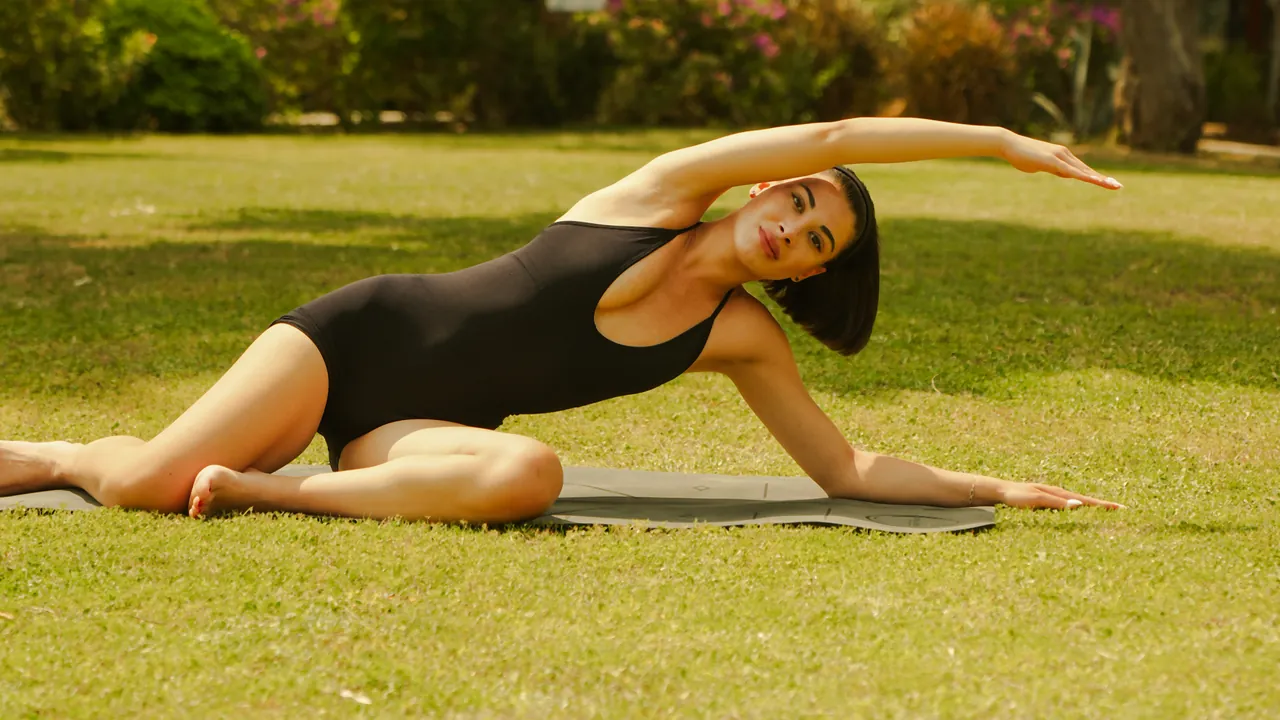
Personal trainer in Yalıkavak: one-to-one training that fits your holiday
Stay fit on holiday with a personal trainer in Yalıkavak. How daily and weekly one-to-one training is planned and what to keep in mind.
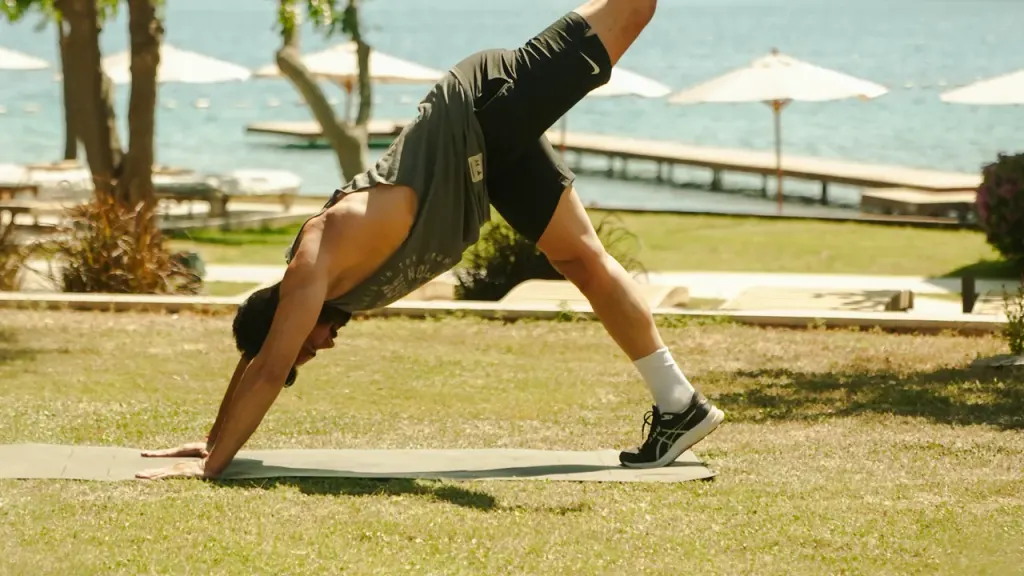
Morning workouts on an empty stomach or after breakfast? Finding the routine that suits you
The question early-morning exercisers ask most is whether to eat first. We compare the two approaches according to the type of workout, its duration and personal tolerance.
How to Start Kickboxing: Your First Class, Equipment and Basic Techniques
How do you start kickboxing? We explain step by step what to expect in your first class, what equipment you need and which basics to learn first.
