
Reformer pilates for desk posture: balancing shoulders, neck and hips
How reformer pilates can support shoulder, neck and hip balance for remote workers, with session focus points and a weekly structure.
Remote work has reached Yalıkavak too; many people spend the morning at a laptop and the afternoon by the sea. Although this arrangement looks pleasant, sitting in the same position for hours can leave built-up tension around the neck, shoulders and lower back. Posture work with reformer pilates is an effective and controlled way to manage this build-up. In this article we look at what hours at a desk change in the body, which principles work on the reformer, and what weekly routine remote workers can build at O'Wellness Yalıkavak.
What desk posture does to the body
When you sit for a long time, the hip flexors shorten while the muscles behind the hips often become sluggish. The shoulders round forward toward the screen, the neck slides forward and the rib cage narrows. This position is not dangerous in itself, but holding it unchanged for hours tires the muscles at the same points. The best posture is a constantly changing posture. In other words, the aim is not one perfect way of sitting but a day broken up by movement. Reformer pilates can be a regular, structured part of that broken-up day.
What the reformer offers for posture
On the reformer, springs and the sliding carriage give a resistance that slows movement and demands control. In supine exercises the spine is supported, so it is easier to learn to keep your shoulders and neck neutral. Arm work with straps helps you notice shoulder blade movement. Pushing against the footbar wakes up the hips and the back chain of the legs. The key point is carrying this awareness back to the desk; the alignment you learn in class can turn into the habit of dropping the shoulders and keeping the chin neutral at the screen.
Five focus points in a session
- Shoulder blade stability: keeping the shoulders away from the ears during strap work.
- Chest opening: reducing front-chest tightness with supine arm movements.
- Hip extension: activating the back of the hips that go numb from sitting.
- Neutral pelvis: neither flattening nor exaggerating the curve of the lower back.
- Breath: making room for the rib cage to expand sideways and backward.
Micro-breaks within the workday
Two or three reformer classes a week are powerful, but the rest of the day matters too. Standing up every half hour, rolling the shoulders back for thirty seconds, or taking a breath by the window for a minute lightens the desk load. Bringing the laptop closer to eye level, planting the soles of your feet on the floor and supporting the elbows comfortably also help ergonomically. These are not medical treatments but everyday habits; if pain becomes persistent, a doctor or physiotherapist should be consulted.
A sample weekly structure
If your meetings are heavy during the day, an early morning class, a calmer wrap-up in the afternoon and a short evening walk make a good balance. For example, reformer pilates on Monday and Thursday mornings, Sunset Stretch on Wednesday evening and a long walk on the weekend create a sufficient skeleton. Keeping the schedule workable matters more than keeping it tight. Since class times and demand can change during summer, check the club's current schedule and choose the hours that best fit your calendar.
Mixing holiday and work: traps specific to Yalıkavak
While working in a holiday mood, people often use laptops on sun loungers, sofas or on top of the bed. These places do not offer the support of a desk; the curve of the lower back is lost, the neck drops forward, and when the computer is on the lap the screen sits too low. Walking on sand after a beach day and staying long in the sun also tire the muscles further. Plan your work hours around daylight and coolness where possible, and at least try to do the heavy part of the work at a desk and chair. Making the line between work and rest clearer protects both mind and body.
Returning to the desk after class
Leaving class and going straight into a meeting can quickly erase the awareness you gained. If possible, take a five-minute walk and a glass of water after class. When you sit at the desk, let the first thing be a small adjustment: plant the soles of your feet on the floor, seat the hips toward the back of the chair, move the shoulders away from the ears and draw the chin slightly back. You can set a silent reminder on your phone to repeat this every hour. These small repetitions spread the effect of two or three classes a week over a wider part of the day.
Points to watch
If you have a known condition such as a cervical disc problem, shoulder impingement or chronic lower back issues, talk with your doctor before starting and tell the instructor. Even on the reformer, a wrongly set-up movement can create discomfort. Symptoms such as numbness in the arms, radiating pain or dizziness require stopping the movement and consulting a health professional. The instructor will mostly guide you toward lighter springs and smaller ranges of movement to help you start safely.
What to expect in the long term
Posture does not change overnight; over weeks you may notice your shoulders settling more easily, your back tiring less while you work and your breath feeling wider. All of this varies from person to person and carries no promise of a definite result. Still, it is clear that regular, mindful movement helps balance the desk load. Continuing regularly during the holiday or throughout the whole season is the most solid way to make the gains last.
Mistakes desk workers often make on the reformer
Raising the shoulders is the most common habit in this group; as the arms work the shoulders climb toward the ears and the neck is needlessly strained. Another is trapping the breath in the upper chest. People who take short, shallow breaths at a screen may fall into the same pattern on the reformer. The third is pushing the feet too hard and letting the leg muscles dominate. For all three the fix is the same: lighten the spring, reduce the range of movement and listen carefully to the instructor's reminders.
Even noticing these mistakes is part of progress. Instead of checking yourself in a mirror, pay attention to how your body feels from the inside; observing where the shoulders are, how tense the jaw is and how the belly moves with the breath is enough. Over time this observation becomes automatic both in class and at the screen.
Another useful habit is arriving ten minutes early to warm up calmly and slowly circling the shoulders a few times before sitting on the carriage. This way you start class more prepared instead of tired and tense. After class, taking one or two minutes of slow breaths instead of rushing out helps you carry the looseness you gained to your desk.
If you would like to give your posture some time while working remotely in Yalıkavak, we would be happy to see you in the reformer pilates classes at O'Wellness Yalıkavak.
Related posts
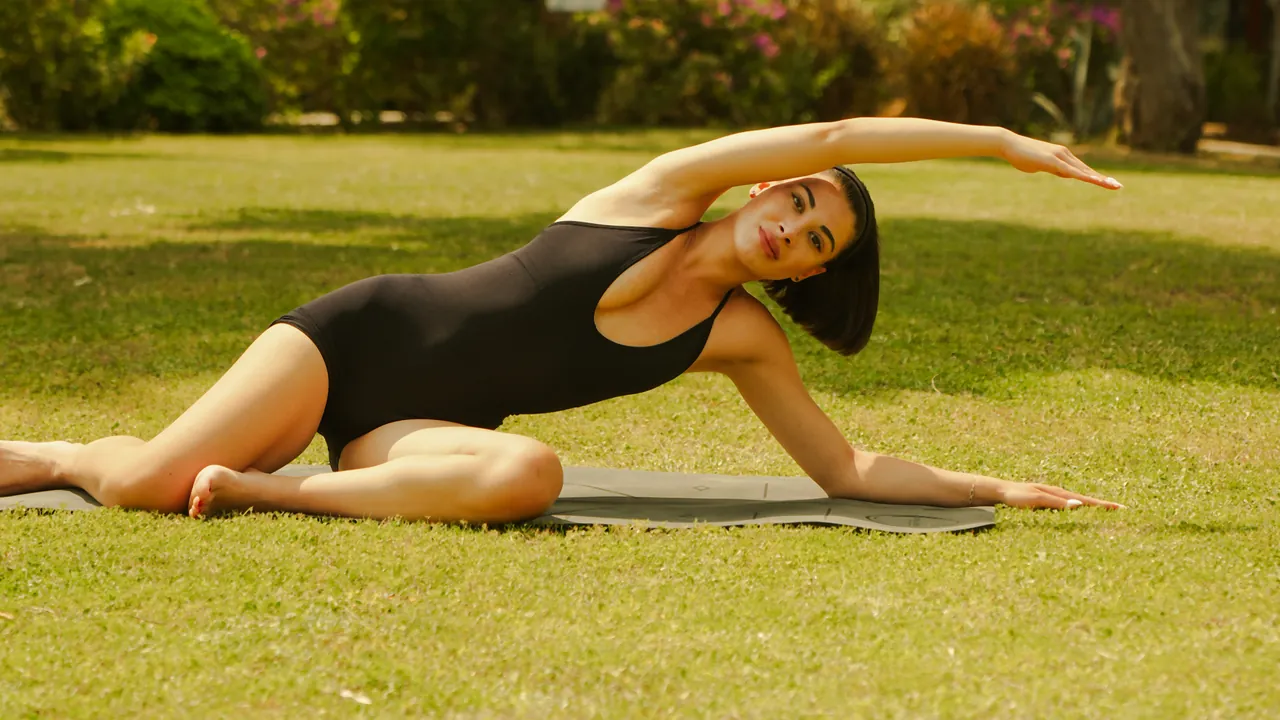
Pilates on holiday: how to plan a one-week reformer package in Yalıkavak
Doing pilates on holiday supports both rest and fitness. We show you how to build a one-week reformer plan in Yalıkavak, day by day.
Reformer pilates in Bodrum: where to go and how to choose a boutique studio
What should you look for in a reformer pilates studio in Bodrum? A practical checklist covering group size, instructors, equipment, location and hours.
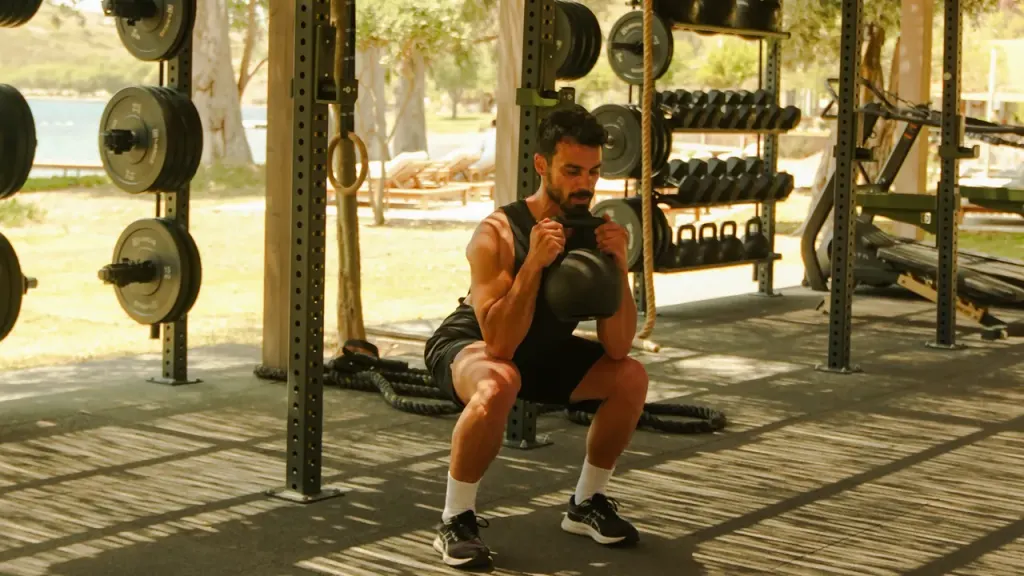
Foot positions on the reformer: what do the heel, toe and V positions change?
Most reformer classes start with footwork. We explain in plain language how the heel, toe, V and wide positions load the leg and hip muscles differently.
