
Post-workout recovery guide: sleep, nutrition, mobility and active rest
A practical guide to post-workout recovery that brings together sleep, nutrition, fluids, mobility and active rest.
Training gives the body a stimulus; the real progress happens while you rest. Muscles are repaired, energy stores are refilled, the nervous system calms down and the body becomes readier for the next session. That is why post-workout recovery is not an optional extra to your programme but an integral part of it. Piling on load without enough recovery can slow progress, sap motivation and raise the risk of injury. In this guide we cover the four pillars of recovery, sleep, nutrition, mobility and active rest, with suggestions you can apply in everyday life.
Why does post-workout recovery matter so much?
Every session creates small amounts of damage in the muscle fibres and depletes energy stores. As the body repairs that damage, it becomes slightly stronger against the next similar load. This cycle is only completed with enough rest. When recovery falls short, fatigue accumulates: classes feel harder than before, muscle soreness lingers, sleep quality suffers and sometimes irritability or a lack of motivation appear. Recognising these signs helps you adjust your programme in time.
Common signs of insufficient recovery
- Muscle soreness that lasts more than a few days and keeps building.
- A clear drop in performance at loads or paces you are used to.
- Trouble falling or staying asleep despite feeling tired.
- Reluctance to train, difficulty concentrating and restlessness.
- A resting heart rate that feels unusually high in the morning.
If these symptoms persist for a long time or the pain is concentrated in a particular joint, it is best to consult your doctor.
Pillar one: sleep
Sleep is the most powerful, and free, recovery tool there is. During deep sleep the body intensifies its repair processes, and movement patterns learned during the day are consolidated. For most adults, seven to nine hours of sleep on a regular basis is recommended. Consistency matters as much as duration: going to bed and getting up at similar times each day keeps the body clock balanced.
- Keep the bedroom cool, dark and quiet; this matters especially in summer.
- Limit caffeine in the evening and avoid heavy meals before bed.
- Cut screen time in the hour before bed; do a short stretch or breathing exercise instead.
- If you slept little at night, a short afternoon nap can partly close the gap.
Pillar two: nutrition and fluids
The meal after training supplies the raw materials for repair and refuelling. Protein supports muscle repair while carbohydrates refill the energy stores in the muscles. A meal combining the two, such as a yoghurt bowl, an egg breakfast or grilled fish with bulgur, is enough for most people. Colourful vegetables and fruit also contribute to overall health through their vitamins, minerals and antioxidants.
Fluid loss is one of the most common factors slowing recovery, especially in hot weather. Drinking water regularly during and after training, and choosing a salted meal or mineral water on very sweaty days, is a good habit. Alcohol can disrupt sleep quality and fluid balance, so keep it moderate on the evening of hard training days.
Pillar three: mobility and stretching
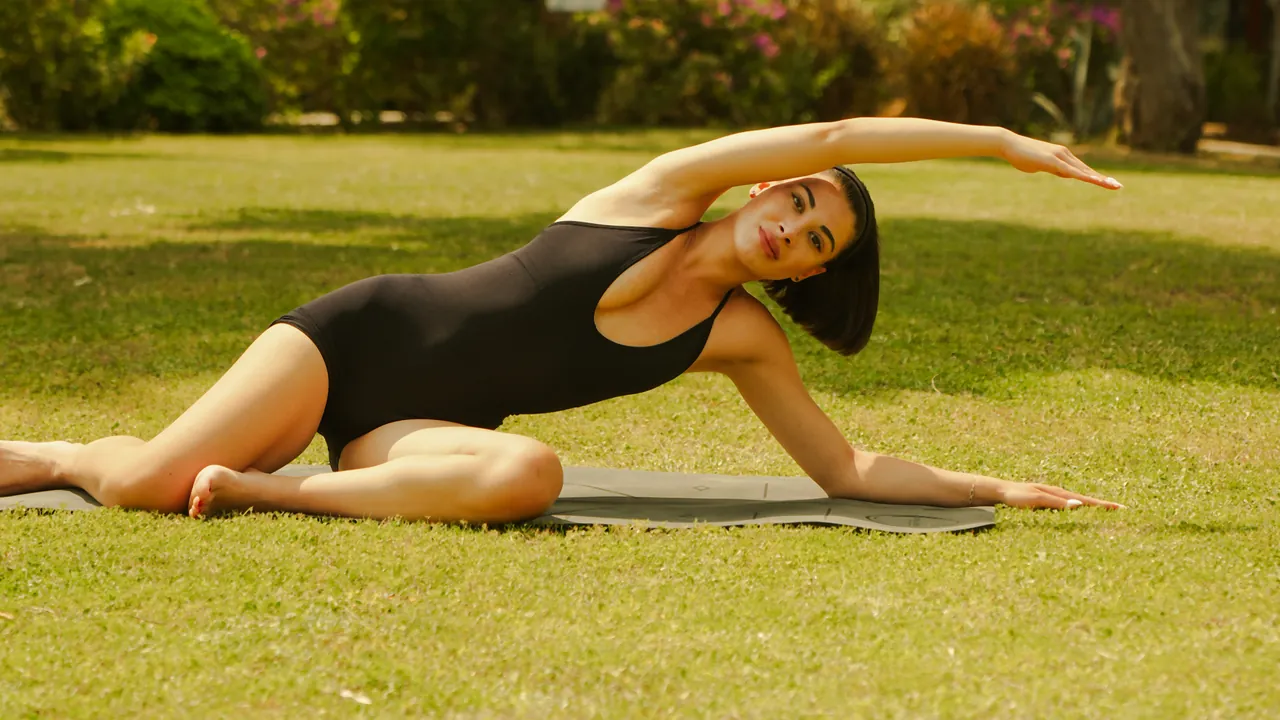
Mobility work helps joints move comfortably through their full range. Light stretching and controlled mobility exercises after training can ease the feeling of tightness in the muscles and shift the body into a calmer state. The goal is not to push to the point of pain but to stay in a comfortable stretch and breathe. The hips, chest, upper back and ankles are priority areas for most people.
Yoga and pilates are valuable complements here. A slow yoga class or a sunset stretching session in the middle of a demanding week gives both the muscles and the mind room to breathe. Tools such as a foam roller can also help some people feel less muscle tightness.
Discover our yoga and breathwork classes
Pillar four: active rest
A rest day does not have to be a day of complete inactivity. Active rest consists of light, enjoyable movement that keeps the heart rate low: a walk on the beach, an easy swim, a bike ride or a gentle stretching session. This kind of movement supports circulation, can ease stiffness in the muscles and helps you recharge mentally. In Yalıkavak, an early-morning walk by the sea or a short swim in the cool of the late afternoon is one of the most enjoyable forms of active rest.
Mental recovery and stress management
The body does not distinguish training stress from stress caused by work, family or travel; they all draw on the same recovery capacity. That is why it makes sense to ease the training load a little during a demanding work week, after sleepless nights or following a long journey. Short breathing exercises, a quiet walk, an hour away from your phone or time spent on a hobby you enjoy all help the nervous system settle. For example, making your exhale slightly longer than your inhale for a few minutes is a simple but effective way for many people to relax.
Post-workout recovery on holiday
Holidays may look like the ideal setting for recovery, but they come with a few traps: dinners that run late, long hours in the sun, an unusual eating pattern and a newly started, intense training routine. If you want to stay in shape on holiday, make your morning workout the main movement block of the day, rest in the shade during the midday heat and close the day with a light stretch in the evening. Sun and heat add an extra load on the body, so keep an even closer eye on your water intake and sleep routine than usual.
A sample weekly recovery plan
- Hard day: HIIT, bootcamp or strength training, followed by a meal with protein and carbohydrate.
- Moderate day: reformer pilates or functional training, with a short stretch in the evening.
- Easy day: yoga, breathing work or a walk on the beach.
- At least one full rest day a week: just everyday movement and a good night's sleep.
Not stacking hard days back to back, and spacing them out with easy and moderate days, is the simplest yet most effective recovery strategy.
Build a balanced programme at O'Wellness Yalıkavak
O'Wellness Yalıkavak offers a broad range, from intense HIIT Beach Burn and Beach Bootcamp classes to calm sessions such as Sunset Stretch, Vinyasa Flow and Sunrise Yoga. That variety makes it easy to plan your week with a good balance between hard work and recovery. To talk about which classes suit you or to put together a weekly plan, reach us by phone or WhatsApp on +90 539 675 74 74.
Frequently Asked Questions
Should I train while my muscles are sore?
With mild soreness, active rest or a light class working different muscle groups is usually fine. If the pain is sharp, in a joint or long-lasting, stop training and consult your doctor.
How many rest days do I need each week?
It depends on training intensity and the individual. For most people at least one full rest day and a few easy days per week is a good starting point.
Should I stretch before or after training?
Dynamic warm-up movements are generally preferred before training, with calmer, longer-held stretches afterwards.
Related posts
Massage and exercise: which type of massage, and when?
What are the benefits of sports massage, and should you have it before or after training? We explain the types of massage and the right timing.
How to Spend an Active Rest Day
What is active rest, why does it matter and how do you do it? Ways to boost recovery in Yalıkavak with the sea, walking and gentle movement.
Micro-recovery breaks during the day: spreading rest across the hours
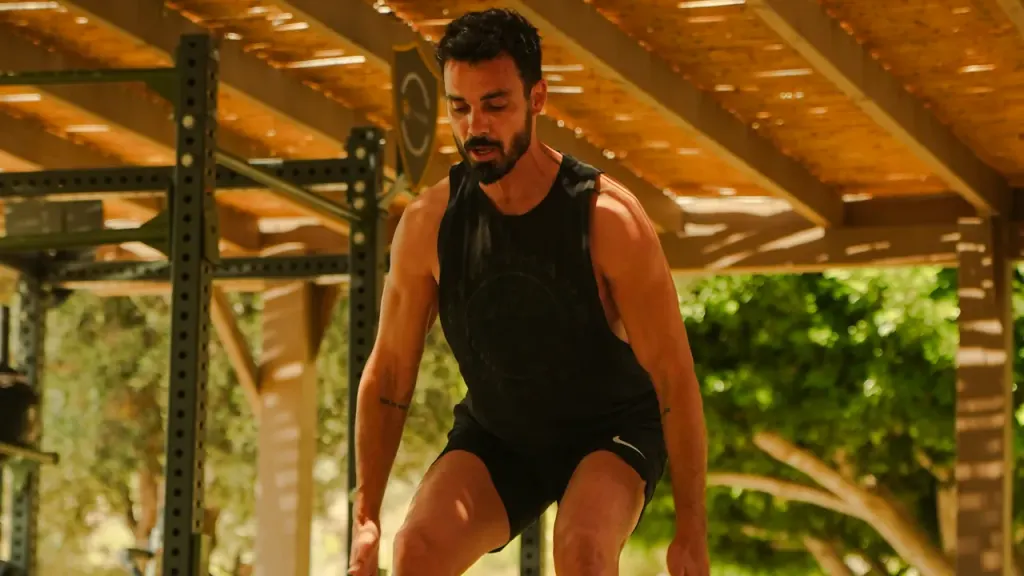
Recovery does not happen only on rest days or during sleep at night. We explain with practical examples how to relax the body and mind with breaks of a few minutes during the day.
