
Sleep and sports performance: what happens below 7 hours?
How does sleep affect sports performance? The effects of short sleep on strength, focus and recovery, plus practical tips for sleeping better.
You might plan your training meticulously, watch what you eat and turn up to classes regularly. But if you sleep five or six hours a night, you may be unknowingly giving back part of that effort. The relationship between sleep and sports performance is a topic attracting growing attention in sports science. In this article we explain the link between sleep and sports performance in plain language, look at what can happen in the body and mind when you sleep less than seven hours, and share what you can do to improve sleep quality.
How much sleep is enough?
The general recommendation from health organisations is seven to nine hours of sleep a night for adults. The range can vary from person to person; some people feel rested after seven hours, while someone training hard may need more. What matters is looking at the weekly pattern rather than a single night. Sleeping short all week and sleeping in at the weekend may not fully close the gap and can also confuse the body clock. Observing your own needs is therefore the best way to personalise the general recommendations.
What happens in the body during sleep?
Sleep is not a passive shutdown. Throughout the night, different sleep stages follow one another in cycles. During deep sleep the body intensifies its repair processes and growth hormone release increases. REM sleep is associated with learning, memory and emotional balance. A new movement pattern you learned during the day, such as a new series on the reformer or a new combination in kickboxing, is consolidated during sleep. In short, sleep is when the stimulus from training turns into a lasting gain.
What happens when you sleep less than seven hours?
One short night rarely causes a big problem; most of us have been there. But when short sleep becomes a habit, the effects begin to accumulate. Research and athletes' experience suggest that chronic sleep deprivation can negatively affect the following areas:
Strength, endurance and perceived effort
On a sleepless day the same weight feels heavier and the same pace more tiring. One reason is that perceived effort goes up: even if your body is objectively doing the same work, your brain reads it as harder. That can lower the quality and duration of your training.
Coordination, reaction and focus
Lack of sleep can impair reaction time and attention. The difference is felt more clearly in work that demands coordination, such as kickboxing, HIIT or reformer exercises that require balance. Loss of focus can pave the way for technical mistakes and, in turn, a higher risk of injury.
Recovery and appetite balance
Short sleep cuts the time available for muscle repair and can mean you start your next session more tired. Lack of sleep is also known to affect the hormones that regulate appetite, which can increase cravings for sweet and fatty food during the day. For people with a weight management goal, sleep is an important and often overlooked piece of the puzzle.
Mood and motivation
After sleepless nights, impatience, low motivation and difficulty coping with stress are common. That makes the decision to go and train harder and can disrupt your routine. A vicious circle of short sleep, lost motivation and missed sessions can set in. The easiest way to break it usually starts with sleep; a few nights of regular, sufficient sleep can bring back your energy and drive to a surprising degree.
How to improve sleep for sports performance
- Try to go to bed and get up at similar times every day, weekends included.
- Get out into daylight in the morning; it helps regulate your body clock. A morning class outdoors is ideal for this.
- Limit caffeine in the afternoon.
- Keep your bedroom cool, dark and quiet.
- Put screens away in the hour before bed; read a book or do some gentle stretching.
- Avoid very intense training and heavy meals late in the evening.
- Keep alcohol moderate; although it can help you fall asleep, it can disrupt sleep quality.
Sleep on summer nights and on holiday
In a Bodrum summer, sleep comes with its own challenges. Hot nights, long dinners, music and a social life that runs late can easily shift your sleep pattern. If you are travelling, getting used to a new bed and setting can also take a few nights. A few practical tips help those who want to stay in shape on holiday: keep the bedroom cool by leaving the curtains closed during the day, set the air conditioning to a comfortable rather than very cold temperature, and use an eye mask and earplugs if needed. Planning a calmer option rather than a tough class for the morning after a late night also protects both your enjoyment and your routine.
How can you keep track of your sleep?
You do not need complex devices to understand your sleep pattern. Keeping brief notes for a week on when you go to bed and get up, how you feel in the morning and how that day's training went helps you see the connection. Smart watches and apps can give you an idea, but remember that their data is not exact and that your own sense of how you feel is at least as valuable.
Preparing for sleep with breathing and stretching
A calm ten-minute routine before bed can help the mind step away from the stimulation built up over the day. Slow, deep breaths, making the exhale a little longer than the inhale, and gentle stretches for the hips, back and neck are simple but effective steps. A stretching class at sunset is also a lovely way to close the day calmly.
Discover our yoga and breathwork classes
How to adjust training on short-sleep days
The realities of life sometimes make short sleep unavoidable: a flight, a late dinner or a hot summer night. On such days it is usually wiser to lower the intensity than to cancel training altogether. Instead of a high-intensity HIIT class, you could choose yoga, mobility or a light reformer class. Avoid heavy lifts and new, technically demanding movements. A short afternoon nap of no more than twenty minutes can also support performance during the day. If your sleep problems have been going on for a long time, or you have symptoms such as snoring or pauses in breathing at night, be sure to consult your doctor.
A balanced rhythm at O'Wellness Yalıkavak
Good sleep and regular movement feed each other. At O'Wellness Yalıkavak you can start the day in the morning light with Sunrise Yoga, train with reformer pilates or Functional Training during the day and wind down with Sunset Stretch. To plan your week with sleep and recovery in mind, reach us by phone or WhatsApp on +90 539 675 74 74.
Browse the weekly class schedule
Frequently Asked Questions
How many hours should athletes sleep?
The general recommendation for adults is seven to nine hours a night. People training hard may benefit from sleep towards the upper end of that range.
Should I train on a day when I have not slept?
A light session is usually fine. It is safer to lower the intensity and avoid heavy lifts and new technical movements.
Does evening training disrupt sleep?
It varies between individuals. Some people find it hard to fall asleep after intense late training; in that case it can help to move hard sessions earlier or choose calmer classes in the evening.
Related posts
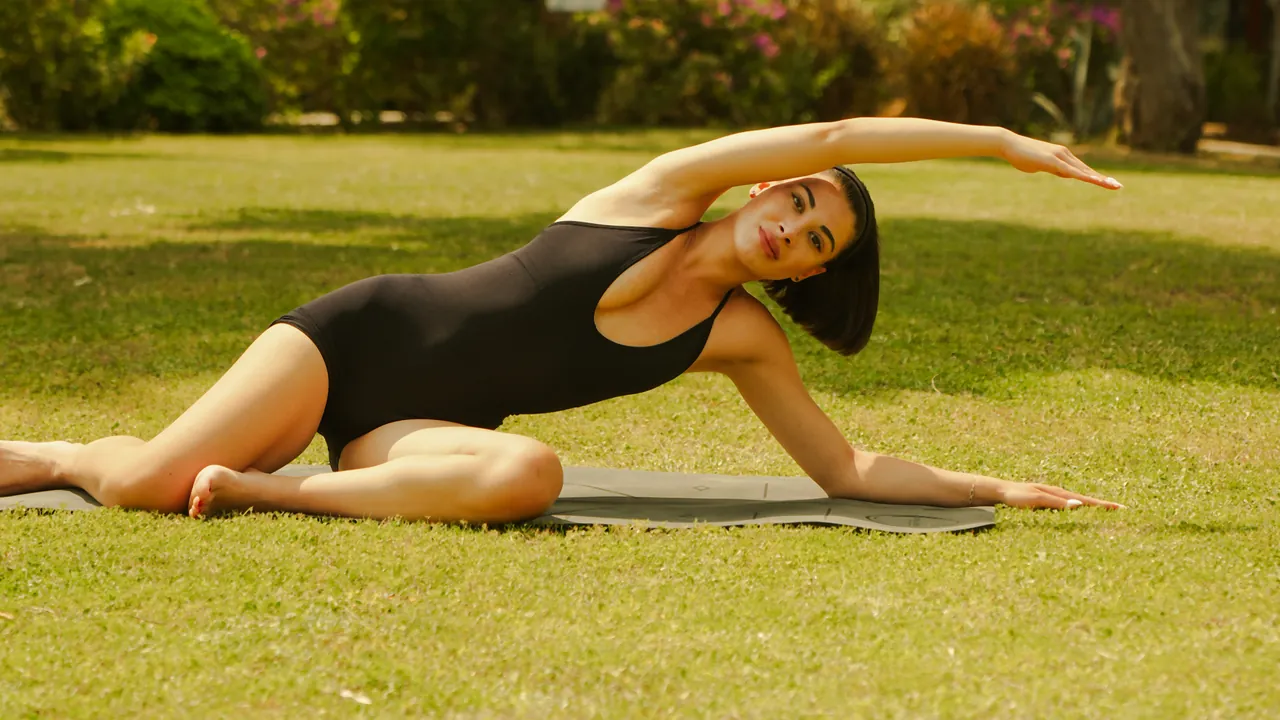
Stress Management and Exercise: Breaking the Cortisol Cycle
How do stress and exercise interact? Training types, timing and daily habits that can help bring cortisol back into balance.
How to use a foam roller: mobility and self-myofascial release
How do you use a foam roller, and for how long on each area? A step-by-step guide to self-myofascial release.
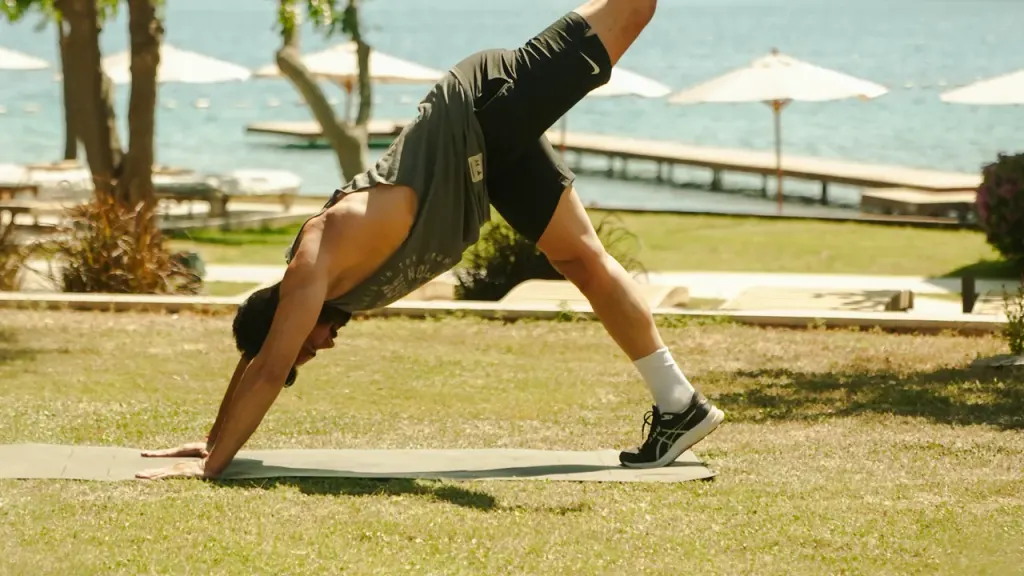
Shoulder and Neck Mobility After Swimming: A Five-Minute Routine on the Shore
Simple mobility moves to do on the shore to loosen the shoulders and neck after long swims, and how to fit them into your routine.
