
Bodyweight isometric training: wall sits, planks and holds
Isometric training consists of hold exercises in which the muscle contracts without moving. We explain how to do wall sits, planks and similar holds, how to add them to a program and what to watch for.
İzometrik çalışma, kasın uzunluğu değişmeden kasıldığı, yani bedenin belirli bir pozisyonda sabit tutulduğu egzersizleri kapsar. Duvar oturuşu, plank, köprü tutuşu ya da yarım squat pozisyonunda beklemek bu türün en bilinen örnekleridir. Hareket etmeden durmak ilk bakışta kolay görünse de, birkaç saniye sonra kasların titremeye başladığını ve nefesin zorlaştığını fark edersiniz. Bu yazıda izometrik çalışmanın mantığını, temel hareketleri, süre seçimini ve haftalık programa nasıl eklenebileceğini anlatıyoruz.
Why can isometric training be useful?
Isometric holds are a practical training tool because they can be done without equipment and in a small space. Since there is no movement, the dynamic load on the joints is low; this offers a controlled starting point for some people. Staying in a certain position also makes it easier to feel muscle activation and body alignment in that position.
Holds can also be used as a complement to dynamic movements. For example, someone who squats can develop strength and control at the hardest point of the movement by waiting there for a few seconds. Holds such as the plank, done for trunk stability, support the endurance of the core area that is important for many sports and daily movements.
That said, isometric training alone does not replace a balanced program. Because muscles tend to develop most at the angles they are trained in, using holds together with dynamic movements offers a more complete result.
Basic isometric movements
The movements below are basic holds that can be done with bodyweight and work different areas of the body. In each one, keeping alignment matters more than extending the time.
- Wall sit: leaning the back against a wall and holding as if sitting, with knees bent about ninety degrees.
- Front plank: elbows under the shoulders, the body held in a straight line from head to heels.
- Side plank: lying on one side on an elbow, lifting the hips and keeping the body straight.
- Bridge hold: lying on the back and lifting the hips to form a straight line from shoulders to knees.
- Half squat hold: standing with knees slightly bent and hips back, waiting in this position.
- Hollow hold: on the back, lower back close to the floor, legs and shoulders slightly off the floor.
The wall sit: step by step
Lean your back against a flat wall and place your feet a little away from the wall, hip-width apart. Slide your back down the wall until your knees are bent about ninety degrees. Make sure the knees are over the ankles and do not go past the toes. Spread the weight across the heels and the whole sole of the foot, keep your back against the wall and let your arms rest by your sides.
If ninety degrees feels too hard at first, you can start at a less bent angle; this is equally valuable work. Try not to hold your breath or tense your face during the hold. When finishing, support yourself with your hands on your knees and stand up slowly.
The plank: step by step
Place your forearms on the floor with the elbows directly under the shoulders. Extend your legs back and rest on your toes. Your body should form a straight line from head to heels; the hips rising too high or sagging down shows that alignment has broken. Drawing the belly in slightly and squeezing the glutes protects the lower back and stabilizes the trunk. Direct your gaze to the floor slightly ahead of your hands.
To make the plank easier, you can place the knees on the floor; in this case a straight line is kept from head to knees. To make it harder, lifting one arm or one leg briefly challenges the trunk with extra resistance against rotation.
Choosing hold times and breathing
In isometric holds, the time varies by goal and level. At first, holds of twenty to thirty seconds with similar rest periods between them are a suitable start for most people. Choosing a time you can complete comfortably while keeping alignment is much more productive than waiting with broken form in the final seconds. Over time, you can gradually increase the time or raise the number of sets.
The most common mistake during holds is holding the breath. Holding the breath can raise blood pressure quickly and cause dizziness. Instead, keep breathing with a regular and calm rhythm; lengthening the exhale slightly helps manage muscle tension. Those with high blood pressure or heart conditions are advised to consult their physician before starting isometric work.
Adding it to a weekly program
Isometric holds can be added to an existing program in different ways. Adding a short plank and bridge hold at the end of the warm-up prepares the trunk and hips for the main workout. A short block of two or three different holds at the end of a strength session supports core endurance. On days when you cannot train, a five to ten minute hold routine is a practical way to keep the movement habit.
On vacation or while traveling, isometric work is especially useful on days when it is hard to access equipment. In Yalıkavak, it is possible to start the day with a few holds on a villa terrace or in a hotel room. Holds are also frequently used in the fitness and reformer classes at O'Wellness Yalıkavak; instructors can check alignment and adjust the time to your level.
A sample ten-minute hold routine
Do the wall sit, front plank, right and left side planks, bridge hold and hollow hold in order for thirty seconds each, resting twenty to thirty seconds between each. Repeating this sequence twice takes about ten minutes. Adding a short stretch or marching in place between movements relaxes the muscles and helps you start the next hold better prepared.
Ways to progress
In isometric training, extending the time is not the only way to progress. Making the position harder while keeping the same time is also an effective option. In a wall sit, bending the knees a little more, lifting one foot slightly off the floor or extending the arms forward increases the load. Working on one leg in a bridge hold places a clear extra task on the glutes and trunk. Bringing the feet closer together in a plank challenges balance and makes the core work harder.
Another way is to combine holds with dynamic movements. For example, waiting three seconds at the bottom of each squat rep or adding a short pause at the midpoint of a push-up develops both isometric and dynamic strength at the same time. Combinations like these are also useful for gaining control at the point where technique is weakest.
Whichever path you choose, increasing only one variable at a time and staying at the same level for a few weeks to let the body adapt is the basis of sustainable progress. Making time, position and set count harder all at once quickly increases fatigue and may cause alignment to break down.
Recording holds
Recording the time of each hold and how it felt in a short note makes it easier to see progress. Being able to hold a plank properly for forty seconds today that you struggled with at twenty seconds a few weeks ago is a motivating, concrete improvement.
Frequently Asked Questions
How long should I hold a plank?
Choose a time you can complete comfortably while keeping alignment. Several short, quality sets are usually more productive than one very long hold.
Does isometric training build muscle?
It can contribute to strengthening muscles and improving endurance, but using it together with dynamic strength movements is recommended for a balanced result.
Is it normal to shake during holds?
Yes, slight shaking may occur as the muscles tire. However, if you feel sharp pain or dizziness, stop the movement immediately.
Related posts
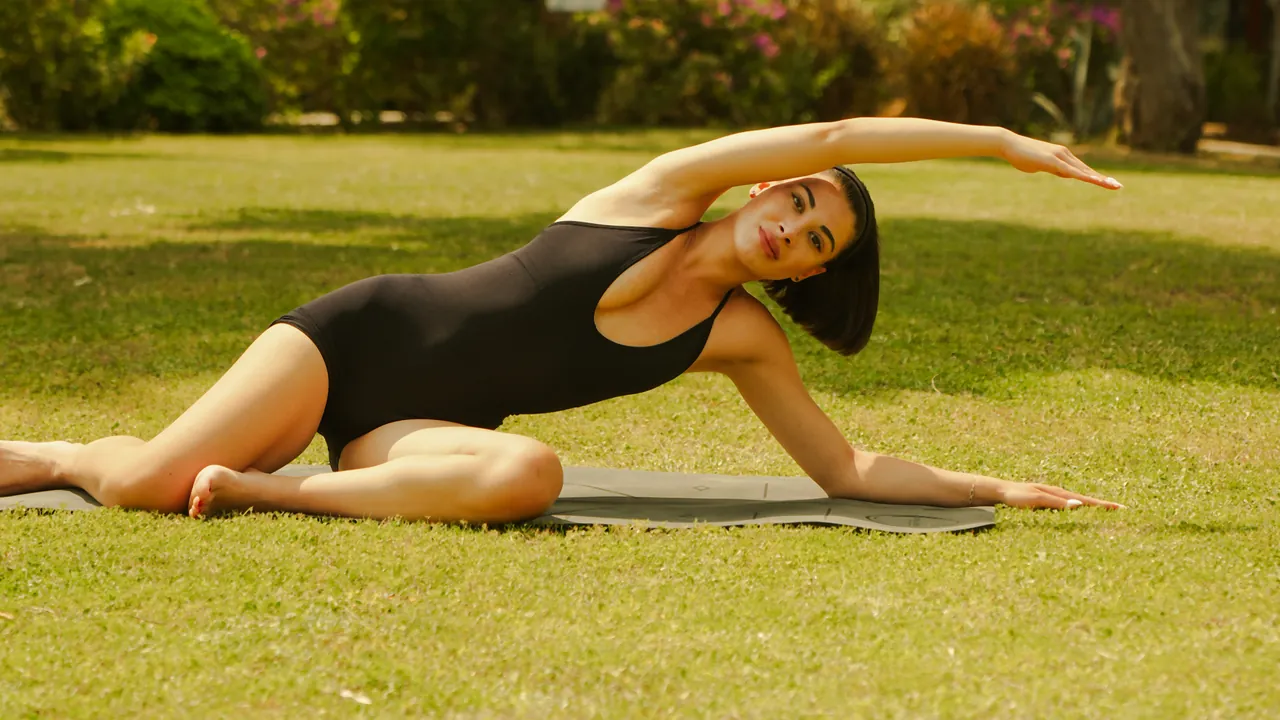
Squat variations and who they suit: a guide to 9 variations
Goblet, front, back, split, Bulgarian, box, sumo and single-leg squat variations: who they suit, the depth debate and an 8-week programme.

Keeping a training log: a simple way to record your progress
A training log lets you see what you did and how you felt instead of relying on memory. We explain what to write, how to read it and how to adjust your program accordingly.
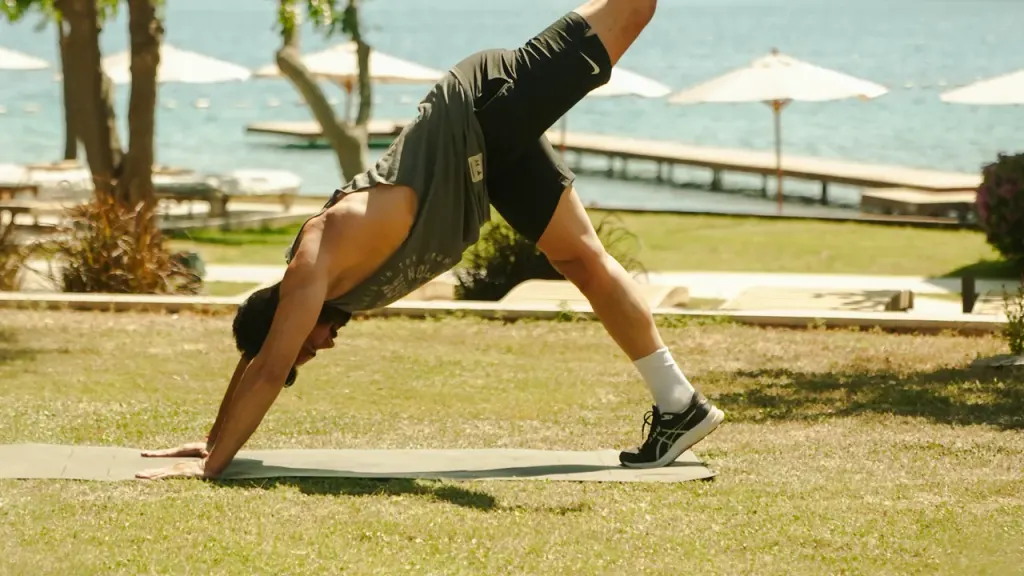
Resistance Band Outdoor Workout: A Full-Body Routine From Your Suitcase
A full-body workout built around one suitcase-sized resistance band, ready for the beach, a terrace, or the shade of an olive tree.
