
Four-Week Pre-Summer Preparation: Arriving in Yalıkavak in Good Shape
A realistic, sustainable four-week plan that builds strength, conditioning, and mobility in balance before the season begins.
Yaz sezonu hazırlığı çoğu zaman son dakikaya kalır. Oysa sezona dört hafta kala kurulan dengeli bir plan, tatilin ilk günlerinde yaşanan kas ağrısı, çabuk yorulma ve aşırı yüklenme sorunlarının önüne geçmeye yardımcı olur. Amaç “plaj vücudu” hedefi değil; tatilde rahat hareket edebilmek ve keyif almaktır.
The plan below is a general framework. If you have an injury, a chronic condition, or have been inactive for a long time, consult your physician and, if needed, a trainer before starting. Weekly targets should be scaled to the individual.
Why four weeks?
Four weeks is a realistic period for the body to get used to a new routine. The first week can be used for adaptation, the second and third for gradual increase, and the fourth for recovery and fine-tuning. This structure lowers the risk of injury created by loading too much at once.
Four weeks does not transform anyone, but it keeps your movement habit, strength base, and conditioning at a better place as you step into the vacation. Keeping expectations realistic makes the process sustainable.
Weekly structure: three core pillars
Divide each week into three parts: strength, conditioning, and mobility. For strength, two full-body days a week; for conditioning, one or two days of brisk walking, running, or cycling; and for mobility, short daily routines are enough.
- Strength: two sessions of squat, push, pull, and trunk movements.
- Conditioning: thirty to forty-five minutes of conversational-pace movement, two days a week.
- Mobility: ten minutes daily for hips, shoulders, and spine.
- Rest: at least one full rest day per week.
- Sleep: regular hours, as much as possible.
Rather than making multiple goals intense on the same day, alternate hard days with light days. This both eases recovery and prevents boredom.
The flow of the four weeks
- Week 1, adaptation: keep sessions short, focus on movement form, do not increase load.
- Week 2, gradual increase: add a little to sets or reps and lengthen walking time.
- Week 3, peak: raise intensity to the highest level of your current goal without breaking form.
- Week 4, recovery: reduce volume, emphasize mobility, and take care of sleep.
Reducing volume in the fourth week is not a step back but a strategy. The body adapts to work only while resting. Entering the vacation fresh with light walking and mobility in this week increases the enjoyment of the first days.
Season-specific prep: swimming, walking, and sun
It is wise to prepare specifically for the activities you will do often on vacation. If you will swim, shoulder stability work; if you will walk a lot, ankle and calf strengthening; if you will do boating or water sports, trunk and balance work come to the fore.
Getting used to the sun is also part of preparation. Doing short, protected outdoor movement for a week or two at the start of the season makes heat adaptation easier. Turn small details like clothing, a hat, sunscreen, and a water bottle into habits right now.
Nutrition, sleep, and mental preparation
Avoid radical diets during the preparation process. Balanced meals containing protein, vegetables, whole grains, and healthy fats support training quality and mood. Familiar pieces of the Aegean table, such as vegetables cooked in olive oil, legumes, fish, and yogurt, are practical and tasty options.
Mentally, set concrete and small goals such as "three sessions a week." If you plan to use the studio at O'Wellness Yalıkavak throughout the season, building your preparation to match the rhythm of the program there smooths the transition.
Common mistakes during preparation
The first and most common mistake is tying preparation only to an aesthetic goal. Plans focused on appearance in the mirror usually go to extremes and are abandoned when motivation drops. Functional goals such as movement capacity, energy, and comfort are more sustainable. Being able to walk, swim, and still have energy at the end of the day on vacation is a far more meaningful measure.
The second mistake is cramming into the last two weeks. The body struggles to adapt to sudden load; an intense last-minute program raises injury risk and makes you enter the vacation tired. Working less but over a longer period is a healthier way to meet the vacation.
The third mistake is restricting nutrition too much. Low energy intake damages both training quality and mood. Instead of sudden diets as the vacation approaches, balancing meals, making water drinking a habit, and slightly reducing processed foods is a much calmer and more effective approach.
- Tying the goal to function rather than appearance.
- Spreading the process over four weeks.
- Eating and sleeping enough.
- Preferring regular sessions to a single perfect one.
- Listening to pain instead of ignoring it.
The fourth mistake is ignoring pain. Mild muscle soreness is normal, but sharp or persistent pain in a joint is a warning. In that case change the movement, reduce the load, and consult a professional if needed. Ignoring a small pain can turn into an injury that affects the whole vacation.
Think of the preparation not as a punishment but as a small gift before the vacation. This view keeps the process enjoyable and ensures you arrive on vacation at peace with your body.
Part of preparation is equipment and small details. Simple items such as a comfortable sports shoe, swim goggles, a light resistance band, and a water bottle make training easier throughout the vacation. Thinking about these items from the very start of packing reduces the burden of planning from scratch on vacation.
Also do not forget the travel day. Sitting for long periods, flights, and car journeys stiffen muscles. Standing up frequently, rotating the ankles, and taking short walks during the journey helps you feel comfortable on arrival day. Starting with a light walk after arrival also reduces the load of the first day.
Finally, manage the preparation process at your own pace. Instead of copying someone else's program, build a structure that fits your own life tempo. Any plan that is sustainable among daily work, family, and social life is worth more than one that looks perfect but is abandoned.
There is also the matter of measuring progress. During preparation use functional markers instead of weight or the mirror: twenty minutes of continuous walking, a certain number of squats, or your breathing while climbing a hill. These markers show real improvement and re-energize you when motivation drops.
Sharing your progress with a friend also provides accountability. Two people preparing together can support each other and are less likely to skip the plan. Moving together with the same person on vacation also makes it easier to keep the routine going.
In conclusion, a four-week preparation will not make you perfect, but it supports arriving on vacation feeling ready, energetic, and comfortable. And that is the most important foundation for fully living a Yalıkavak summer.
Keep the calendar realistic during preparation as well. Work pressure, family obligations, and social plans can disrupt some weeks. When you miss a session, instead of abandoning the plan, move on to the next day. Flexibility is a part of preparation at least as important as the program itself.
Frequently Asked Questions
What if I do not have four weeks?
Even two weeks can make a difference. Start with two strength sessions a week, a few walks, and short daily mobility. The important thing is to start right away and stay consistent.
Where should I start if I have never exercised?
First talk to your physician, then start with short daily walks. Add simple bodyweight movements twice a week. If you feel pain or severe fatigue, slow down.
Should I keep this plan going on vacation?
Not exactly; on vacation it is enough to reduce volume and keep movement enjoyable and flexible. The preparation plan carries you into the vacation, while the vacation rhythm calls for a new balance.
Related posts
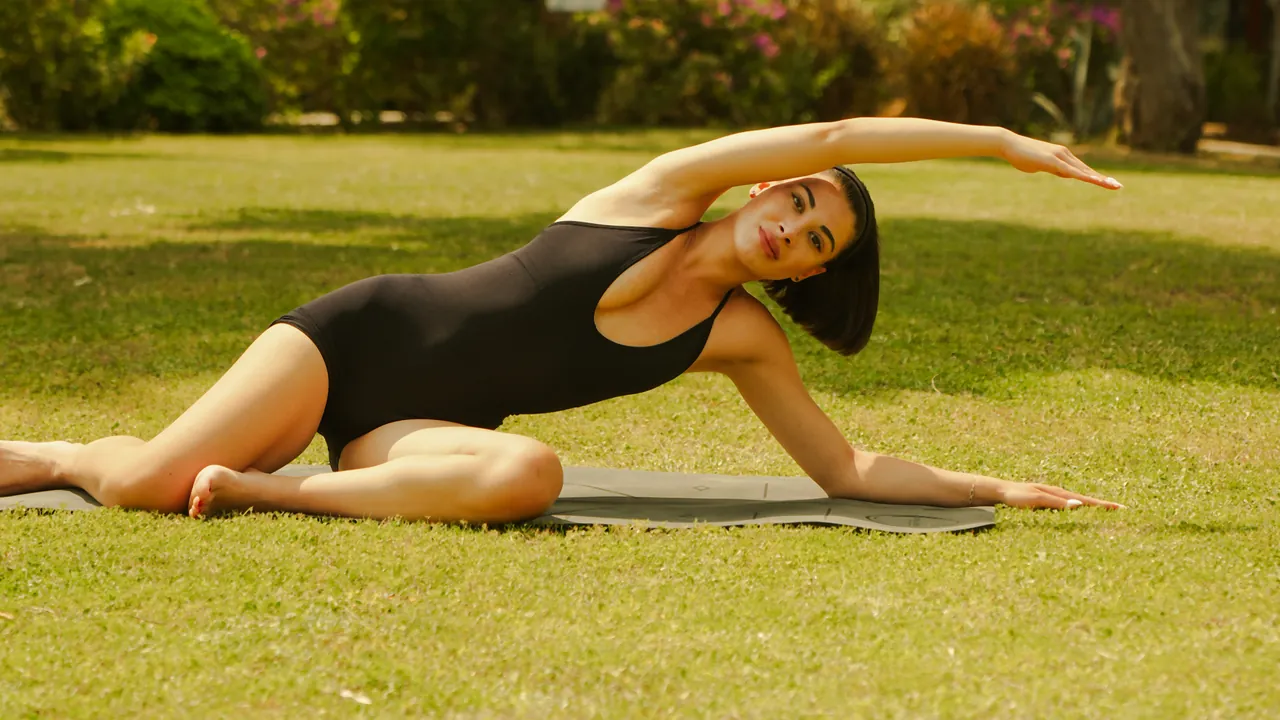
October in Yalıkavak: Keeping Your Summer Fitness and Planning the Hand-Off
Keeping your fitness through October in Yalıkavak: the quiet month's advantages, a weekly plan and how to carry on once the club closes.
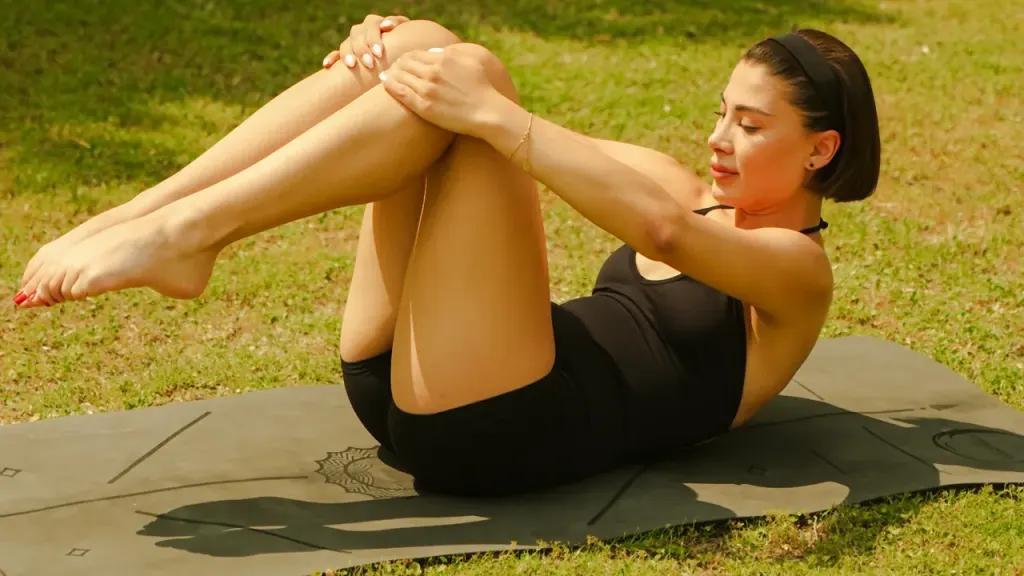
Late dinners on vacation and the next morning's workout: keeping the balance
On vacation, dinners run long, hours shift and morning workouts get harder. We answer how much to train the morning after a late night, how to prepare and when to postpone.

A daily step goal on holiday: keeping fit with movement in Yalıkavak
Practical ways to set a realistic daily step goal on holiday, spread steps through the day and walk safely in the heat.
