
What is yoga? Styles, benefits and a beginner's guide
What yoga is, its main styles and where beginners should start: a simple guide to the benefits and preparing for your first class.
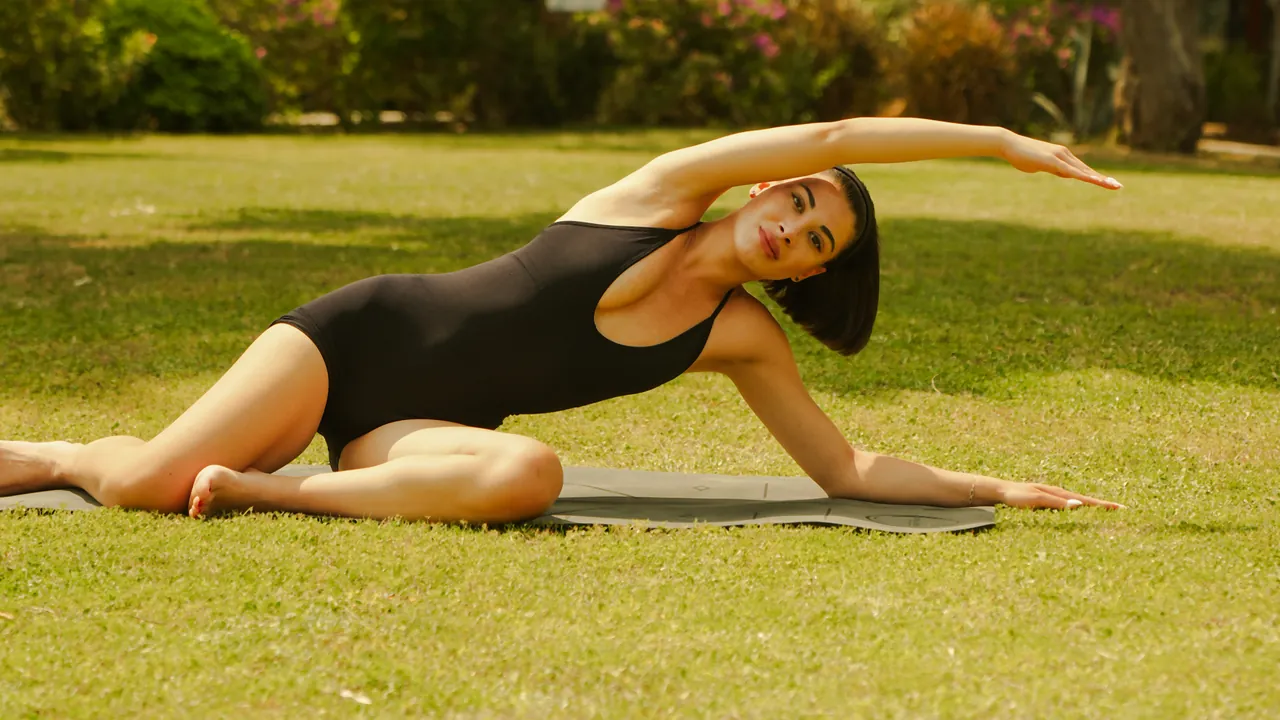
When asked what yoga is, most of us picture flexible bodies holding difficult poses. Yet yoga is a far broader practice than flexibility. This tradition, which originated in India, brings together physical postures, breathing practices and focusing attention on the present moment. Today millions of people of all ages and fitness levels around the world practise yoga both to strengthen the body and to calm the mind. In this guide we explain step by step what yoga is, its most common styles, its realistic benefits and where beginners can start.
What is yoga? A short definition
The word yoga is usually explained as meaning to unite or to join. The yoga practised in modern studios mostly consists of three basic elements: physical postures called asana, breathing practices known as pranayama, and attention or meditation practices. A yoga class typically opens calmly, continues with flowing or still sequences of poses, and ends with a full relaxation section. The aim is not to perfect a pose but to work the body and mind together by matching movement with breath.
The most common styles of yoga
Yoga is not a one-size-fits-all practice. There are styles that differ considerably in pace, intensity and focus. Finding the one that suits you is the key to making yoga a sustainable habit.
Hatha yoga
Hatha is a classic approach in which poses are taught more slowly, one at a time, holding each position for several breaths. It is a good gateway for beginners who want to learn basic alignment. Because the pace is slow, you have time to observe your body in each pose.
Vinyasa yoga
Vinyasa is a dynamic style in which poses are linked in a flowing sequence synchronised with the breath. It generates more heat, also works your conditioning, and classes can feature different flows depending on the instructor. The Vinyasa Flow class at O'Wellness Yalıkavak is based on this style.
Yin and restorative yoga
In yin yoga, poses are held for a long time with the muscles kept as relaxed as possible. Restorative yoga uses props to create fully supported, restful positions. Both are calm practices that can support recovery during intense training weeks.
Power and Ashtanga yoga
Ashtanga is a disciplined, demanding practice that follows a set sequence. Power yoga is a freer style inspired by that energetic approach, emphasising strength and endurance. Both can require a certain level of fitness. That is why it is usually more enjoyable and safer for beginners to learn the basic poses in a calmer style first and then move on to these demanding practices.
The benefits of yoga: a realistic view
Research on yoga keeps growing and suggests that regular practice can have positive effects in many areas. However, the effects vary from person to person, with the style practised and with consistency. The most commonly reported benefits can be summed up as follows:
- Greater flexibility and range of motion.
- Muscle strength and endurance, especially around the torso, hips and shoulders.
- Improved balance and body awareness.
- Relaxation and support in coping with stress, through breath control.
- A sense of better sleep quality for many people.
Yoga is not a medical treatment. If you have back, neck or joint problems, high blood pressure or are pregnant, consult your doctor before starting and let your instructor know; many poses have a safer variation.
Breath: yoga's invisible muscle
Most beginners focus on the poses, but experienced practitioners say the breath matters at least as much. In yoga the breath sets the rhythm of movement and keeps the mind from wandering. Slow, deep breaths through the nose can help the body shift into a calmer state. As a simple starting point, try breathing in for a count of four and out for a count of six. Even a few minutes of this practice during the day can make a difference.
Explore our yoga and breathing classes
A step-by-step guide for beginners
- Start with a gentle style: choose hatha or a flow class suited to beginners.
- Tell your instructor about your level and any health conditions.
- Do not eat a heavy meal in the two hours before class; a light snack is enough.
- Wear comfortable, stretchy clothing; yoga is usually practised barefoot.
- Do not compare yourself with anyone; listen to your limits and stop where you feel pain.
- Be consistent: two short classes a week bring more change than one long class a month.
A short morning flow you can try at home
If you would like to get to know yoga a little before going to a class, you can try the simple flow below at home in a quiet corner. Stay in each position for a few calm breaths and do not force any movement. If you feel pain, skip that position.
- Sit cross-legged, close your eyes and simply watch your breath for a few minutes.
- Come onto all fours; gently arch your back as you breathe in and round it as you breathe out.
- Rest in child's pose by taking your hips back towards your heels.
- Press your hands into the floor and lift your hips into downward dog, keeping your knees bent.
- Stand up, reach your arms overhead as you breathe in and lower them to the sides as you breathe out.
- Lie on your back and relax completely for a few minutes.
This flow takes less than ten minutes and can help you start the day feeling more awake. However, an instructor's guidance is always the healthiest way to learn correct alignment.
What do you need for yoga?
One of the best things about yoga is how little equipment it needs. A non-slip mat, comfortable clothes and a water bottle are enough to start. Studios usually provide props such as blocks, straps and bolsters; these are not a sign of weakness but tools for doing a pose correctly and safely. On hot days a small towel for sweat comes in handy too.
How does yoga fit with other training?
Yoga is a good complement to strength and conditioning work. A calm yoga session after intense classes such as HIIT or bootcamp can support the body's recovery. When combined with reformer pilates, core control and flexibility reinforce each other. For people who run, play tennis or sail, yoga is also a practical tool for keeping the hips and shoulders mobile.
Yoga by the sea at O'Wellness Yalıkavak
At O'Wellness Yalıkavak you can start the day with Sunrise Yoga, join a more dynamic flow with Vinyasa Flow or close the day with Sunset Stretch. Combining breath and movement with a sea view in our indoor-outdoor studios at Xuma Beach is a motivating setting even for complete beginners. For class times and membership options, reach us by phone or WhatsApp on +90 539 675 74 74.
See yoga classes in the weekly schedule
Frequently Asked Questions
Do I need to be flexible to do yoga?
No. Flexibility is not a prerequisite for yoga but one of the results of regular practice. Every pose has a variation suited to beginners.
Which style of yoga should beginners choose?
Hatha or a beginner-friendly flow class is a good start. Once you have learned the basic poses you can move on to more dynamic styles such as Vinyasa.
How often should I do yoga each week?
Two or three sessions a week is enough to make a clear difference for most people. Short but regular practice is more effective than occasional long classes.
Related posts
What is Ashtanga yoga? Series structure, discipline and a beginner's guide
What is Ashtanga yoga, how do the series progress, how do Mysore and led classes differ, who is it for and what are the first three months like?
What is yin yoga? A slow practice for deep stretching and the nervous system
What is yin yoga, how is it practised and who is it good for? The principles, key poses and a short sequence of this slow, long-hold practice to try at home.
A 10-minute beginner meditation by the sea: a step-by-step routine
A simple ten-minute meditation routine focused on waves and breath for beginners, with common difficulties.
