
Diving and breath in Bodrum: an introduction to freediving
A Bodrum freediving guide: what freediving is, how to start, the safety rules, and land training that builds breath control, flexibility and core strength.
Descending into the silent world of the sea with no tank, on a single breath. Freediving has attracted growing interest in recent years, both as a sport and as a mental discipline. Bodrum is an appealing place for freediving: clear Aegean water, bays that deepen close to the shore and a long summer season make a lovely setting for anyone wanting to explore it. In this article we explain what freediving is, how to start safely, and how breathwork, flexibility and core training on land can support your experience underwater.
What is freediving?
Freediving is diving without scuba equipment, on a held breath. It is a practice as old as humanity and was used for centuries in traditional trades such as sponge diving and fishing. Today it is done both as a recreational activity and as a sport with several disciplines, including depth diving, horizontal distance in the pool and static breath-holding. But the essence of freediving is not records; it is awareness: knowing your body, calming the mind and moving in harmony with the water.
Why Bodrum suits freediving
The clear Aegean water offers good visibility in summer. The indented coastline of the Bodrum peninsula has many bays that are sheltered from the wind and deepen within a short distance of the shore. The sea is often calmer in the morning, creating good conditions for both training and recreational dives. You can find certified instructors and dive centres offering freediving courses in the region; when choosing, make sure the instructor holds an internationally recognised certification.
Safety: the non-negotiable rules of freediving
Freediving is enjoyable but not without risk. The most serious danger is loss of consciousness during a breath-hold or on the way back to the surface, and it often happens without warning. That is why the following rules are not up for negotiation:
- Never dive alone. Every dive needs a trained buddy watching you from the surface.
- Do not hyperventilate with fast, deep breaths before a dive; it increases the risk of blackout.
- Do not start depth diving before taking a basic course with a certified instructor.
- Use a buoy and flag so boats can see you.
- Never force equalisation; ascend if you feel pain.
- Do not dive when tired, ill or after drinking alcohol.
If you have heart, lung, ear-nose-throat or blood pressure problems, always consult your doctor before taking up freediving. This article is for general information and does not replace proper training.
How to get started with freediving
- Become a comfortable swimmer: feeling safe in open water is the first step.
- Start with snorkelling: get used to swimming on the surface and making short dives with a mask, snorkel and fins.
- Sign up for a basic course: learn breathing techniques, equalisation, safety and rescue procedures.
- Progress gradually: increase depth and time without forcing it, under your instructor's supervision.
- Train on land: breathing, flexibility and core strength directly affect your comfort underwater.
Breath: the heart of freediving
In freediving, breath is not just about taking in oxygen; it is a tool for calming the mind and body. Slow, controlled breathing before a dive helps lower the heart rate and reduce tension. Diaphragmatic breathing, deep and slow breaths that expand the belly, is useful both in dive preparation and in coping with everyday stress. Yoga and breathwork are a good way to develop this awareness safely on land. Remember: never practise breath-hold exercises in water or alone, even if you start on land.
Discover our yoga and breathwork classes
Preparing on land: flexibility and core strength
Flexibility in the rib cage and shoulders helps you use your breathing capacity comfortably. Hip and back flexibility helps you hold a vertical, streamlined position underwater. A strong core makes your fin kicks more efficient and reduces wasted energy. Because reformer pilates is built on controlled movement and coordinated breathing, it is a very compatible complement for freedivers. Classes such as Vinyasa Flow and Sunset Stretch develop flexibility and mental calm.
- Chest-opening stretches: release the shoulder and chest muscles.
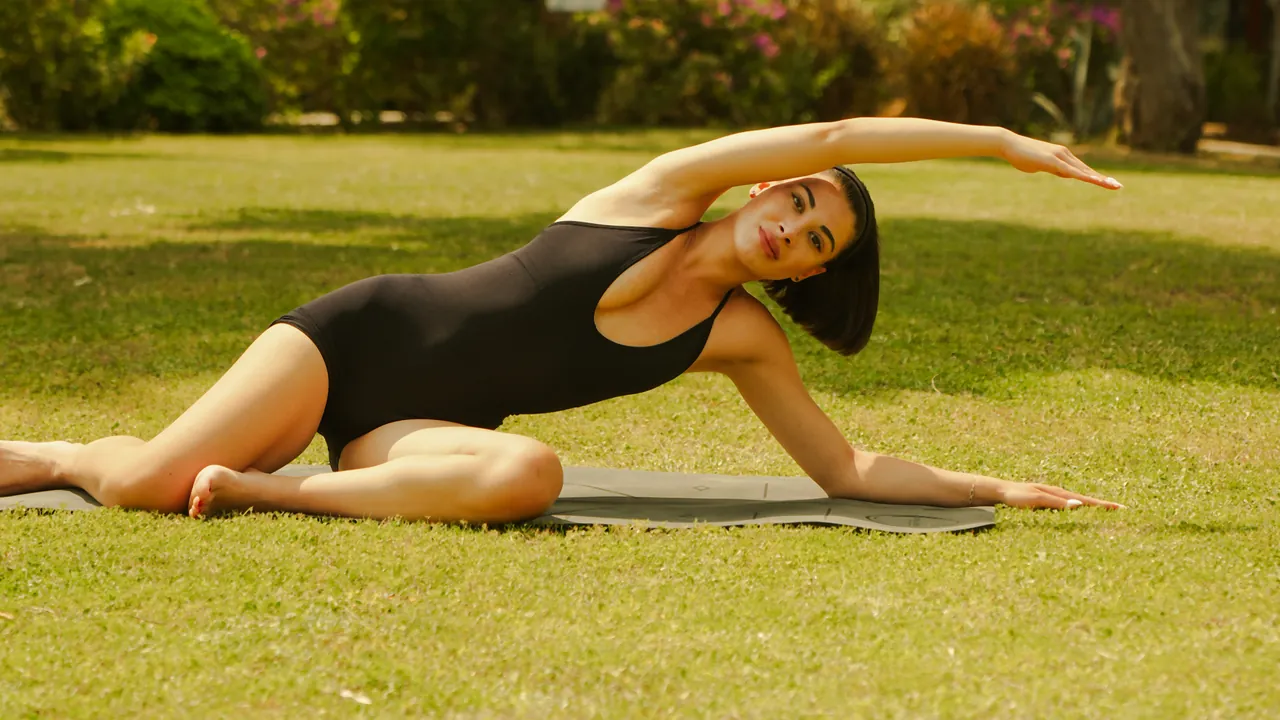
- Side stretches and rotations: increase flexibility in the muscles between the ribs.
- Planks and dead bugs: strengthen trunk stability.
- Hip openers: support range of motion in your fin kick.
Build your core strength with reformer pilates
Recovery after diving
Freediving may look physically calm, but it can be tiring for the body and the nervous system. After dive days it is important to drink plenty of water, stretch lightly and sleep well. Rather than squeezing an intense workout and a dive into the same day, plan rest and active recovery days.
Equipment you need for freediving
One of the nice things about freediving is that the equipment is relatively simple. Starting out with rented gear lets you gain experience and understand what suits you before buying your own. The instructor or dive centre running your course will guide you towards choices suited to your level.
- A low-volume mask: makes equalising easier and needs less air.
- A snorkel: for breathing while resting and preparing on the surface.
- Long fins: give more efficient propulsion, though standard fins are fine at first.
- A wetsuit: reduces heat loss; in summer on the Aegean a thin suit is usually enough.
- A buoy and flag: essential for your safety and visibility to boats.
However good your equipment is, it is no substitute for safety. Your most important equipment is the trained buddy watching over you and your respect for your own limits.
Many freedivers say that the greatest reward of freediving is not depth but the deep calm you experience underwater. It is possible to cultivate that calm on land too.
Prepare on land with O'Wellness Yalıkavak
At our club on Xuma Beach you can support your body before and after freediving with yoga and breathwork, reformer pilates, Vinyasa Flow, Core Power and one-to-one personal training. We are open from May to October, 08:00 to 19:00 on weekdays and 10:00 to 19:00 at weekends. For details on our daily, weekly and seasonal memberships, call +90 539 675 74 74 or message us on WhatsApp.
Frequently Asked Questions
Do you need a certificate to freedive in Bodrum?
You do not need one for recreational snorkelling, but before starting depth dives it is essential for your safety to take a basic course with a certified instructor.
Can you freedive alone?
No. The most basic safety rule in freediving is to always have a trained buddy watching you from the surface on every dive.
How can you prepare for freediving on land?
Working on slow, controlled breathing, chest and hip flexibility and core strength is useful. Yoga and reformer pilates are good complements for this.
Related posts
Xuma Beach Guide: Beach, Fitness and a Day Plan
A day plan at Xuma Beach in Yalıkavak that blends fitness, sea and rest: getting there, what to bring and which class when.
Evening walks in Yalıkavak and a 10-minute mobility routine
Routes, pace, short mobility moves before and after, and safety tips for evening walking in Yalıkavak.
A day in Yalıkavak: a sample daily plan from Sunrise Yoga to an evening at the marina
A sample Yalıkavak day: morning yoga, the sea, rest in the shade, a late-afternoon stretch and a stroll around the marina for a balanced, active holiday day.
