
A Guide to Core Training: Not Just Abs, but Strength from the Centre
Core training is about much more than abs. The anatomy of your centre, key movement patterns and a sample programme for every level.
When we hear "core", most of us immediately picture a six-pack and hundreds of crunches. Yet the core is a system of muscles that wraps around the body's centre and through which every movement passes. When you lift a suitcase, keep your balance against a wave in the sea, paddle or tie your shoe while standing on one leg, it is not just your abs at work but your entire centre of strength. In this guide we bring together what you need to understand core training properly, recognise effective movements and build a programme that suits your level.
What is the core? A brief look at the anatomy
You can think of the core as a cylinder, with the diaphragm on top, the pelvic floor at the bottom, the abdominal muscles at the front and sides, and the muscles running along the spine at the back. Its main components are:
- Rectus abdominis: the visible "six-pack" muscle, which helps flex the trunk forward.
- Obliques (internal and external): allow the trunk to rotate and bend sideways, and also resist rotation.
- Transversus abdominis: the deepest abdominal muscle, wrapping the trunk like a corset to provide stability.
- Multifidus and erector spinae: back muscles that support the spine and keep it upright.
- Diaphragm and pelvic floor: play a critical role in managing breathing and intra-abdominal pressure.
- Hip muscles: the glutes directly affect the position of the pelvis and therefore the load on the lower back.
Why core training is more than ab work
The core's main job is often not to produce movement but to control it and transfer force. In a tennis stroke or a punch, power comes from the legs, and the core passes that power on to the arms without losing it. A weak or poorly coordinated centre can lead to energy leaks during this transfer and to overload in areas such as the lower back.
That is why effective core training covers not just bending the trunk but four key tasks:
- Anti-extension: resisting excessive arching of the lower back (e.g. plank, dead bug).
- Anti-rotation: resisting unwanted twisting of the trunk (e.g. Pallof press, bird dog).
- Anti-lateral flexion: resisting tipping to the side (e.g. side plank, single-arm carry).
- Controlled movement and force transfer: dynamic patterns such as rotation, reaching and the hip hinge.
Key core exercises and correct technique
Dead bug
Lie on your back, reach your arms to the ceiling and bend your knees to 90 degrees above your hips. Keeping your lower back close to the floor, slowly extend the opposite arm and leg, then bring them back. Reaching as you exhale makes it easier to engage the deep abdominals. If your lower back lifts, reduce the range.
Bird dog
On all fours, reach one arm forward and the opposite leg back. The pelvis and trunk should stay still; imagine a glass of water balanced on your back. It is an excellent exercise for spinal stability and coordination.
Plank and side plank
In a plank, the head, shoulders, hips and heels form a straight line. Letting the hips sag or lifting them too high are mistakes. In a side plank, the body turns sideways with the elbow beneath the shoulder. Quality holds of 20–30 seconds are more valuable than very long ones.
Glute bridge
Lie on your back with your knees bent and lift your hips by driving through your heels. It teaches the core to work with the posterior chain and strengthens the glutes.
Suitcase carry
Walk tall holding a weight in one hand, without letting your trunk lean toward the weight. It is a simple but powerful exercise that carries over directly to carrying bags in daily life.
Breath and the core: the hidden connection
Because the diaphragm forms the top of the core, the way you breathe directly affects your central stability. Someone who constantly breathes shallowly into the chest unknowingly overworks the neck and shoulder muscles and underuses the deep abdominals. Spending a few minutes before training on calm breaths that widen the ribs sideways makes it easier to feel your centre during the exercises. During a heavy lift, managing the breath in a controlled way raises intra-abdominal pressure and supports the spine; learning this technique with an instructor is the safest option.
A sample programme by level
You can add the programme below two or three times a week, at the end of your main workout or as a separate short session.
- Beginner: dead bug 2×8 (each side), bird dog 2×8 (each side), glute bridge 2×12, kneeling plank 2×20 seconds
- Intermediate: dead bug 3×10, side plank 3×20 seconds (each side), single-leg bridge 3×8 (each side), plank 3×30 seconds
- Advanced: plank shoulder taps 3×12, side plank hip lifts 3×10, suitcase carry 3×20 metres (each side), long-lever dead bug 3×10
Move to the next level when you can complete the current one comfortably with good technique. Control matters more than speed, and quality more than the number of repetitions.
Common mistakes
- Holding your breath: keep breathing rhythmically throughout, especially exhaling on the effort.
- Only doing crunches: one-directional training neglects the core's other jobs.
- Compensating with the neck and shoulders: the tension should stay in the centre.
- Forgetting the pelvic floor: pelvic floor awareness matters, especially after childbirth and for those with a sensitive lower back.
If you have back pain, a hernia or recent abdominal surgery, consult your doctor or physiotherapist before starting a core programme.
Strengthening the core with pilates and functional training
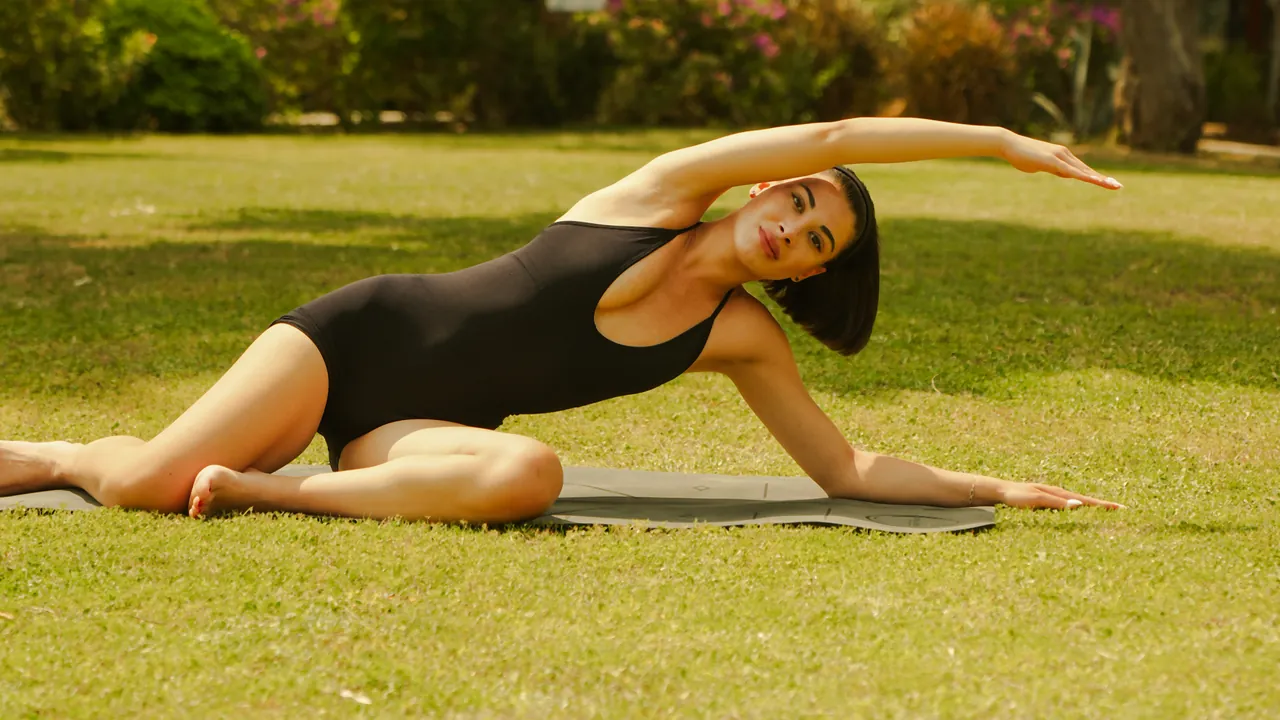
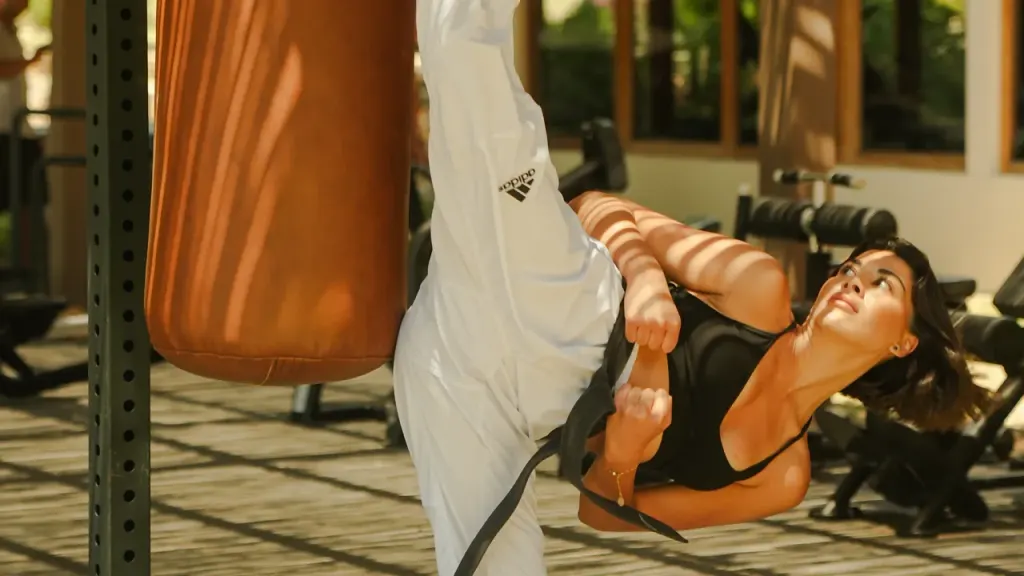
Because it is built on the deep core muscles and stabilising with the breath, pilates is one of the best-known methods for core development. The springs on the reformer allow movements to be both supported and resisted. Dynamic classes such as functional training and kickboxing then take that stability into standing, fast, multi-directional movement. Combining the two is a balanced way to develop a centre that is both controlled and strong.
Core Power and more at O'Wellness Yalıkavak
At O'Wellness Yalıkavak, Core Power classes focus directly on strength from the centre, while reformer pilates, Functional Training and Kickboks Fit classes work the core from different angles. With reformer groups of no more than 6 people and private sessions, your technique is followed closely.
Discover our reformer pilates classes
Explore Core Power and our other group classes
To build strength from your centre with a sea view, call us or send a WhatsApp message to +90 539 675 74 74. We are at Xuma Beach throughout the May–October season.
Frequently Asked Questions
Does core training burn belly fat?
No, spot reduction isn't possible. Core training strengthens the muscles; fat loss depends on overall energy balance, nutrition and total activity.
Can I do core training every day?
Light stability exercises can be done often, but for intense core work two or three sessions a week with recovery in between is usually enough.
Is pilates enough for the core?
Pilates is a very effective method for core development. If you also have strength and dynamic movement goals, supplementing it with functional training can be helpful.
Related posts
Squat variations and who they suit: a guide to 9 variations
Goblet, front, back, split, Bulgarian, box, sumo and single-leg squat variations: who they suit, the depth debate and an 8-week programme.
Personal trainer in Yalıkavak: one-to-one training that fits your holiday
Stay fit on holiday with a personal trainer in Yalıkavak. How daily and weekly one-to-one training is planned and what to keep in mind.
Kickboxing and reformer pilates together: a balanced weekly program
How explosive kickboxing and controlled reformer pilates complement each other, and how to place them in your week.
