
Reformer pilates vs mat pilates: which one suits you?
What is the difference between reformer and mat pilates? Compare equipment, resistance, difficulty and goals to choose the right one for you.
When you decide to start pilates, the first question you usually face is: reformer or mat? Both methods rest on the same core principles: core control, alignment, breath and flowing movement. But there are important differences in the equipment used, the resistance you feel and the learning process. In this article we look in detail at the difference between reformer and mat pilates and discuss which method may suit which goal and person better. To give away the ending: the best answer is often a smart combination of the two.
Common ground: the core principles of pilates
The method Joseph Pilates developed originally included both mat work and specially designed apparatus. Reformer and mat pilates are therefore not rivals but two faces of the same system. In both, movements are performed with control, strength comes from the centre of the body, the breath guides the movement and quality matters more than the number of reps. The principles you learn in one transfer directly to the other. So which one you start with matters less in the long run than people think; what really counts is practising regularly with correct technique.
Reformer vs mat pilates: equipment and resistance
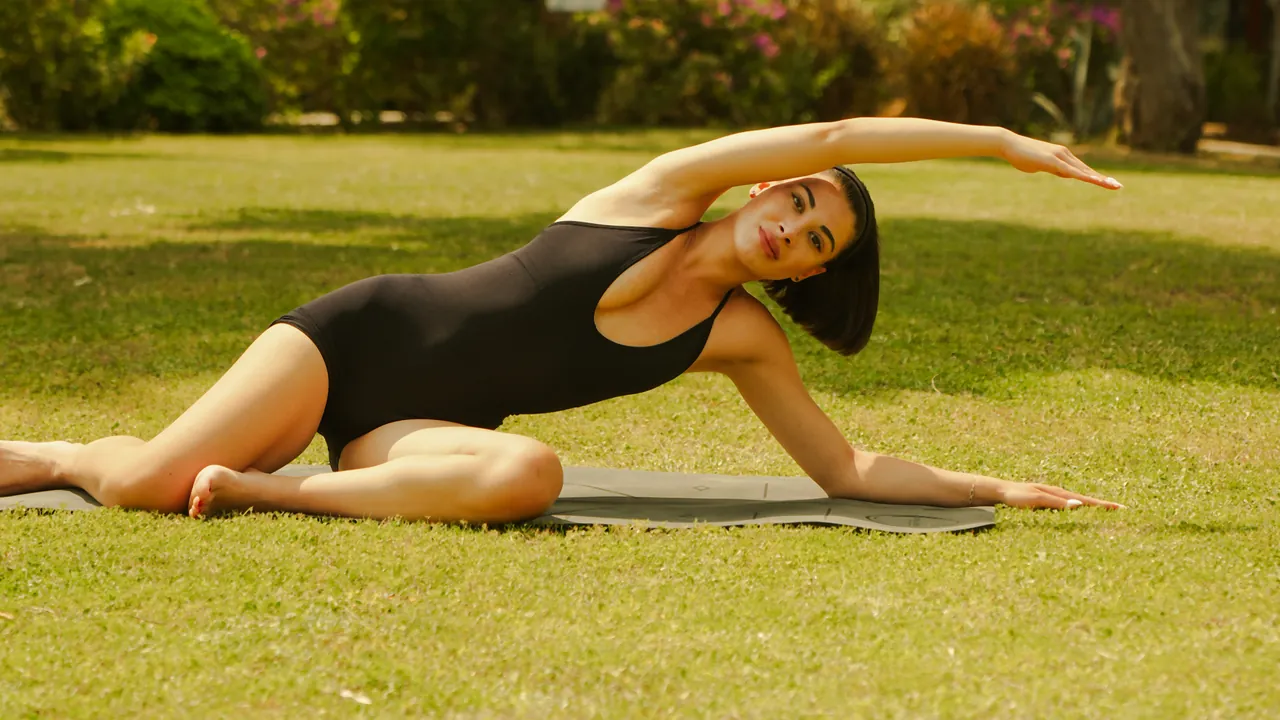
The most obvious difference is the equipment. Mat pilates is done on a thick mat on the floor, mostly using your own bodyweight. Small props such as a soft ball, a resistance band or a pilates ring are sometimes added. The reformer is an apparatus with a sliding carriage, adjustable springs, straps and a footbar. The springs add both resistance and support to the movement and allow the same exercise to be worked in dozens of variations.
This difference directly changes how a movement feels. On the mat you carry the whole load with your own body and work against gravity. On the reformer, the spring setting lets you make a movement easier or harder. An ab exercise you struggle with on the mat, for example, may become more accessible on the reformer with the support of the straps; conversely, leg work can be made noticeably heavier with the springs.
Difficulty: which one is harder?
A common misconception is that mat is easy and reformer is hard. The reality is more complicated. Because there is no apparatus offering support, mat pilates can be very challenging, especially for deep core control; you have to stabilise your body entirely with your own strength. The reformer, thanks to its springs, supports beginners while offering serious resistance and balance challenges at advanced levels. In short, the difficulty of both depends on the programme and the instructor's approach.
The learning process and feedback
The reformer gives instant feedback during movement. When the carriage springs back uncontrolled or your alignment slips, you feel it right away. This can help beginners grasp the correct movement faster. In mat pilates, most of the feedback comes from your own body awareness and the instructor's eye. That can be harder at first but builds strong inner awareness over time.
What happens in class? Comparing the two experiences
A reformer class
A reformer class usually begins with footwork lying on your back. The instructor calls out the spring setting for each section and participants adjust their machines accordingly. Next come arm and leg work with the straps, torso exercises kneeling or seated and, depending on level, standing balance work. The class ends with controlled stretches on the sliding carriage. Getting used to the apparatus can take a little time in the first few classes, but once you learn the spring and strap set-up, the flow quickly feels natural.
A mat class
A mat class usually starts with breathing and spinal mobility. Then come ab work on your back, side-lying leg series, prone back-strengthening exercises and plank variations. Because there is no equipment to change, the flow is uninterrupted and the class tends to move at a more rhythmic pace. Most of the movements can also be repeated at home, which makes it easy to carry what you learn in class into your daily routine.
Comparing them by goal
- Muscle strength and toning: the reformer's adjustable resistance is an advantage for gradually increasing load.
- Deep core control: mat pilates is very effective here because you work without support.
- Flexibility: both contribute; the reformer's straps make some stretches more controlled.
- Practicality and consistency: mat pilates can be done at home or while travelling with minimal equipment.
- Returning to exercise after a long break: the reformer's supportive spring system can offer a controlled start.
Class size and class experience
Reformer classes are usually held in small groups because they are limited by the number of machines. That means the instructor can follow each participant more closely. Mat classes can suit larger groups and offer a more social atmosphere. Which suits you also depends on how much individual attention you want. If you are trying pilates for the first time, starting in a small group or a one-to-one class is the fastest way to set your technique.
A sample week combining both
For those who want to combine the strengths of both methods, a simple weekly structure might look like this: early in the week, a reformer class to work on resistance and alignment; mid-week, a mat or core-focused class to strengthen deep abdominal control; and at the weekend, a second reformer class or yoga to balance the week. On the days in between, active rest options such as walking, swimming or light stretching support recovery.
The same pattern also works for people staying in Yalıkavak for a few weeks on holiday: joining reformer classes at the studio and continuing with short mat routines at the hotel or at home provides uninterrupted practice throughout the holiday and leaves you with a habit you can keep up when you get back.
Which suits you? A short decision guide
- If you want to start with structured support and increase resistance gradually, start with the reformer.
- If you want a routine you can continue at home or while travelling, be sure to add mat pilates to your programme.
- If you want to deepen your core control, mat work makes a big contribution.
- If you are undecided, try both together with one reformer and one mat class a week.
If you have back, neck or joint problems, are pregnant or have recently had surgery, consult your doctor before starting, whichever method you choose, and let your instructor know.
Explore our reformer and mat pilates classes
Reformer and mat pilates at O'Wellness Yalıkavak
O'Wellness Yalıkavak offers both reformer and mat pilates. Our reformer group classes have a maximum of 6 people, and you can also start with one-to-one reformer sessions if you prefer. Group classes such as Core Power complement your programme with mat-based core work. To work out together which method suits you, reach us by phone or WhatsApp on +90 539 675 74 74.
Take a look at the weekly class schedule
Frequently Asked Questions
Should beginners start with reformer or mat?
Either is possible. The reformer's spring support helps some beginners learn movements more easily, while mat builds basic core control. Starting with a small-group or one-to-one class is the healthiest approach.
Is mat pilates as effective as reformer?
Effectiveness depends on consistency and the quality of the programme. Mat pilates is very effective for core control in particular, while the reformer offers the advantage of adjustable resistance.
Can I do both in the same week?
Yes. Many people use both methods in their weekly programme; because they share the same principles, they complement each other well.
Related posts
Pilates on holiday: how to plan a one-week reformer package in Yalıkavak
Doing pilates on holiday supports both rest and fitness. We show you how to build a one-week reformer plan in Yalıkavak, day by day.

Reformer pilates for desk posture: balancing shoulders, neck and hips
How reformer pilates can support shoulder, neck and hip balance for remote workers, with session focus points and a weekly structure.
Breathing in reformer pilates: pattern, practice and common mistakes
What kind of breath is pilates breathing, and why do you exhale on the effort phase? Step-by-step learning, breathing by movement type and a home routine.
