
Does Yoga Reduce Stress? Cortisol, Sleep and Mental Calm
Does yoga reduce stress? We explain in plain terms how breath, movement and rest affect the nervous system, cortisol and sleep.
Does yoga reduce stress? It is perhaps the question most often asked by people taking their first step into yoga. Even many who start for flexibility or strength notice after a few classes that the real difference is in their mind: a calmer breath, less scattered thoughts and deeper sleep. So where does that feeling come from? In this article we look at yoga's effect on the stress response, the hormone cortisol and sleep in plain language and without exaggeration, and we finish with practical suggestions you can bring into daily life.
How does stress work in the body?
Stress is actually a system that keeps us alive. When we perceive a threat, the sympathetic branch of our nervous system switches on: the heart speeds up, breathing becomes shallow, muscles tense and the adrenal glands release adrenaline and cortisol. This response is very useful in a short-lived danger. The problem is that in modern life the threat is not a lion but emails, traffic, bills and an endless to-do list. These small but constant triggers can leave the system switched on for long periods.
The other branch of the nervous system, the parasympathetic system, is responsible for rest and digestion. It slows the heart rate, deepens the breath and helps the body shift into repair mode. In a healthy life there is a flexible switch between these two systems. One of yoga's most valuable contributions is that it lets us practise that switch consciously.
Does yoga reduce stress? What research generally says
Many studies on yoga and meditation suggest that regular practice can help lower perceived stress, improve mood and, in some people, positively influence stress-related markers such as cortisol. However, because the studies differ in methods, participant groups and duration, the results are not the same for everyone. That is why it is best to see yoga not as a treatment but as a powerful lifestyle habit that supports coping with stress.
If you are dealing with conditions such as an anxiety disorder, depression or a sleep disorder, yoga does not replace professional support; it can, however, be a complementary part of a plan made with your doctor or therapist.
Three main ways yoga affects stress
1. Breath
The breath is one of the rare doors through which we can consciously reach the autonomic nervous system. In stressful moments breathing becomes short and stays in the chest. In yoga we learn to slow the breath, especially to lengthen the exhale, and to use the diaphragm. Long, soft exhales generally tell the body it is safe and make calming down easier.
2. Movement
Stress builds up in the body as physical tension: shoulders creep towards the ears, the jaw clenches, hips and back stiffen. Yoga postures gently move and lengthen these areas. Flowing styles such as vinyasa release built-up energy through rhythmic movement, while slower practices invite the body to relax.
3. Attention
It is hard to think about tomorrow's meeting while trying to hold a balance pose. Yoga brings attention to the present moment, the body and the breath. Over time this awareness carries over off the mat, and in a stressful moment you remember more easily to pause and notice your breathing.
Cortisol and sleep: why consider them together?
Cortisol has a natural daily rhythm; it normally rises in the morning, keeping us alert and active, and falls towards evening. Under constant stress this rhythm can be disrupted, and in the evening the mind simply will not quiet down. Thoughts spinning when you get into bed, waking often at night or getting up unrested in the morning are familiar signs of this imbalance.
A slow yoga or stretching session in the evening can be a transition ritual that reminds the body the day is over. Supported postures close to the floor, forward folds, gentle twists and a long resting pose make it easier to prepare for sleep. Putting screens aside before bed and spending a few minutes breathing with long exhales is another simple but effective habit.
A 10-minute stress routine you can try at home
- Sit comfortably, close your eyes and simply observe your breath for one minute.
- Breathe in for a count of four and out for a count of six, and continue for two minutes.
- Move your spine with cat-cow in time with your breath for one minute.
- Rest in child's pose with your forehead on the floor for one minute.
- Lie on your back with your legs up the wall and stay for two minutes.
- Spend the last three minutes lying on your back, arms by your sides, fully relaxed.
This routine is not intended for diagnosis or treatment; it simply offers a short break from everyday stress. If any position causes pain, stop and consult a professional if needed.
Yoga by the sea: the effect of your surroundings
The setting you practise in also shapes the experience. Natural light, fresh air, the sound of the waves and a view stretching to the horizon make it easier for many people to slow the mind down. For those holidaying in Yalıkavak or spending the summer here, this adds a unique dimension to yoga practice. A holiday is also a good opportunity to start a new habit, because the pressure of daily routine eases and you have more time for yourself.
Which yoga style is best for stress?
There is no single right style; choosing according to your mood that day works best. If your mind is busy and your body feels energetic, a flowing practice like vinyasa helps you release excess energy through movement. On days when you feel tired, drained and tense, supported postures, long holds and slow, breath-focused practices are more helpful. A short, energising flow in the morning and a calm session close to the floor in the evening also fit the natural rhythm of cortisol.
Regularity matters more than duration. Rather than one long class a week, short practices of fifteen to twenty minutes on several days send a more consistent message to the nervous system. Start small and let the habit grow.
Yoga and breathwork at O'Wellness Yalıkavak
At O'Wellness Yalıkavak you can start the day calmly with Sunrise Yoga, release tension in a flowing Vinyasa Flow practice, and close the day with gentle stretching and breathing in Sunset Stretch. Our combined indoor and outdoor studios look out over the sea. If you are new to yoga or would like a personal session focused on managing stress, let us choose the right class together. For information, call us on +90 539 675 74 74 or message us on WhatsApp.
Discover our yoga and breathwork classes
Take a look at the weekly schedule
Frequently Asked Questions
Does yoga reduce stress, and how soon will I notice?
Many people say they feel calmer after the first classes. Lasting effects usually emerge over time with regular practice a few times a week.
What time should I do yoga for better sleep?
For sleep support, slow and relaxing practices in the evening are more suitable. Avoid intense, sweaty flows right before bed.
Can yoga replace treatment for anxiety or depression?
No. Yoga can be a supportive habit, but in these situations you should always consult a doctor or mental health professional.
Related posts
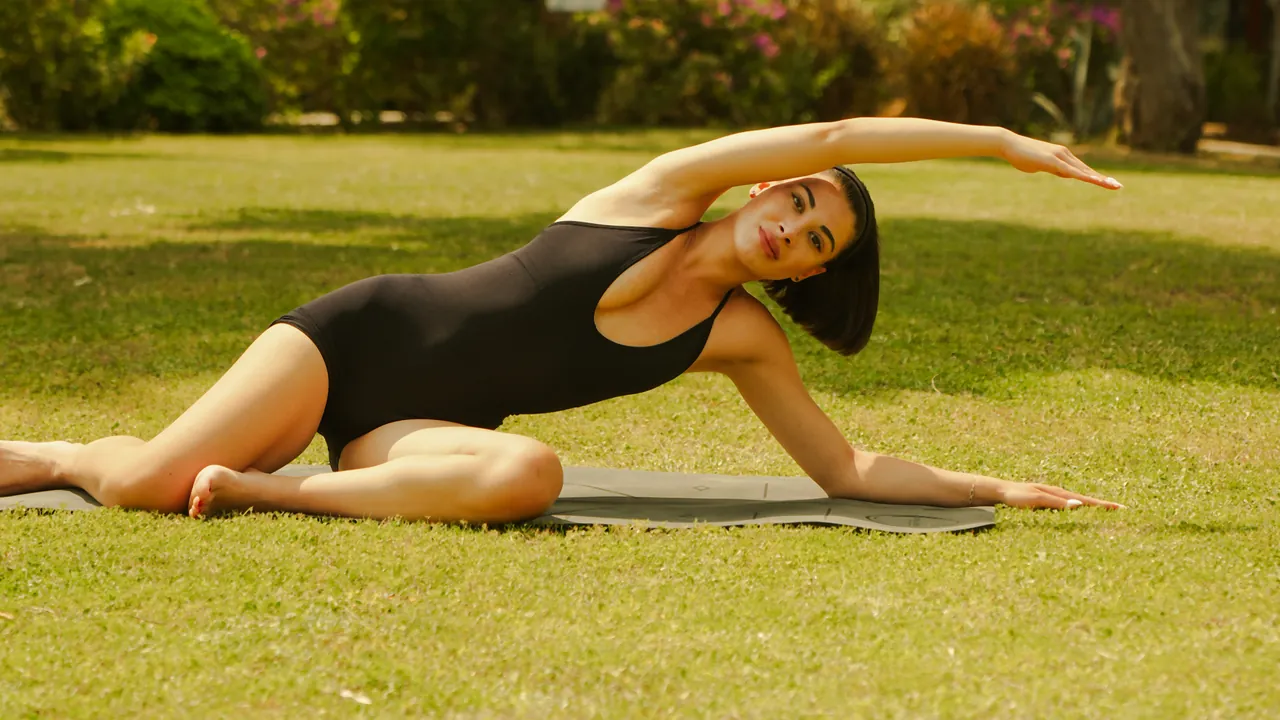
What is yoga? Styles, benefits and a beginner's guide
What yoga is, its main styles and where beginners should start: a simple guide to the benefits and preparing for your first class.
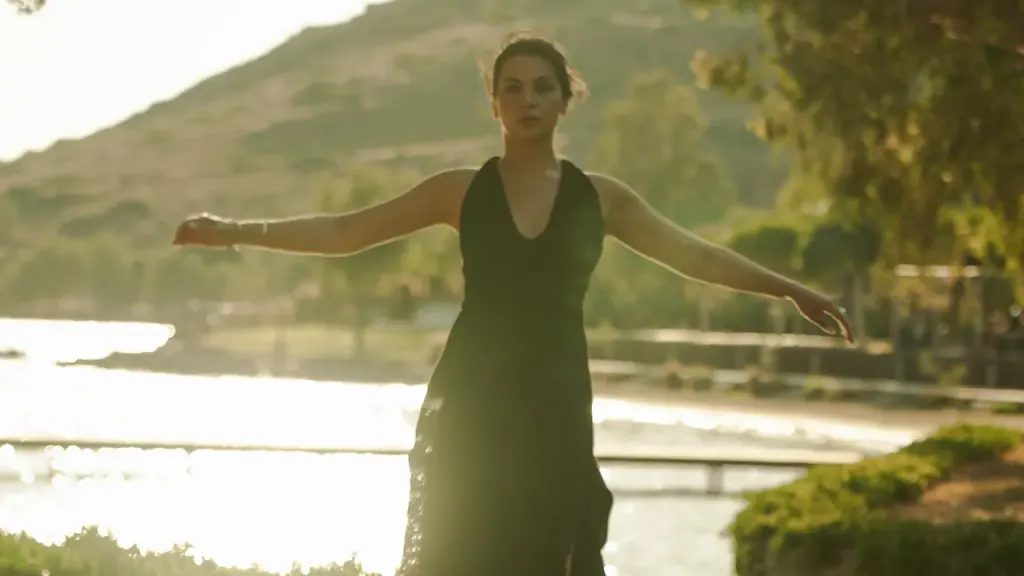
Sunset Stretch: how an evening stretching class can support sleep and recovery
What an evening slow stretching class can offer your body and sleep, how to prepare, and a short routine to keep at home.
What is yoga nidra? A guide to the practice of deep rest
What is yoga nidra, how does a session unfold and how do you prepare? Who it suits, when to practise and a 20-minute home practice.
