
Kickboxing Fitness: Kickboxing Workouts for Weight Loss and Stress Relief
What is kickboxing fitness, how does it burn calories and relieve stress? Workout structure, benefits and tips for a safe start.
Kickboxing fitness turns the punches, kicks and footwork of combat sports into a non-contact, conditioning-focused workout. There is no need to step into a ring or fight anyone; the aim is to work the whole body with a heavy bag, pads or shadowboxing, break a sweat and clear your head. It is increasingly popular both with people who want to lose weight and with those who want to release the tension that builds up during the day. In this article we explain how a kickboxing fitness workout works, why it is effective and how to start safely.
What is kickboxing fitness and how does it differ from traditional kickboxing?
Traditional kickboxing is a combat sport involving competition, sparring and contact with an opponent. Kickboxing fitness uses the same technical foundations, but its purpose is conditioning, coordination and overall fitness. Classes usually run to music at interval-style intensity. Participants strike a bag, a pad or the air, not each other. That opens the sport up to a much wider audience, regardless of age or level.
Can you lose weight with kickboxing fitness?
At the heart of weight loss is spending more energy than you take in over the long term. Kickboxing fitness makes a strong contribution to the spending side of that equation, because the legs, glutes, core, back, shoulders and arms all work at once. Fast-paced combinations and short rest breaks raise the heart rate, placing the workout somewhere between cardio and strength training.
How many calories a class burns varies greatly from person to person; weight, age, fitness and effort all play a part. Giving exact figures would therefore be misleading. What matters more is this: because kickboxing is fun, people tend to keep coming back. In weight management, consistency is far more decisive than one-off bursts of effort. When you combine training with balanced eating and enough sleep, the results last longer.
Why is it so effective for stress relief?
There is something satisfying about landing a controlled, powerful punch on a bag. Kickboxing turns the tension that builds up during the day into a physical outlet. On top of that, remembering combinations, maintaining footwork and finding the rhythm demand full attention, leaving little room for the mind to drift to work, messages or worries. At the end of class many people feel both tired and strangely lighter.
- Physical effort helps release tension in a healthy way.
- Technical focus brings the mind into the present moment.
- Learning a new skill boosts self-confidence.
- Group energy and music lift motivation.
How does a typical kickboxing fitness class run?
- Warm-up: the body is prepared with skipping, light jogging, joint mobility and dynamic stretches.
- Technique: stance, guard, jab, cross, hook, uppercut and basic kicks are practised at a slow pace.
- Combinations and rounds: the techniques are combined on the bag or pads in timed rounds.
- Conditioning finisher: the pace is raised with bodyweight moves such as squats, push-ups, planks and burpees.
- Cool-down: the class ends with breathing, stretching and letting the heart rate come down gradually.
Which muscles are worked?
The power of a punch comes not from the arm but from the ground. The drive that starts at the sole of the foot is transferred through the rotation of the hips and torso to the shoulder and fist. That is why kickboxing fitness particularly develops core stability and rotational power. Kicks strengthen the glutes, hamstrings and calves while also challenging balance and hip mobility. Holding a guard position throughout builds shoulder endurance. In short, almost the whole body works in a single class.
Tips for training safely
- Use hand wraps and suitable gloves when hitting the bag; they protect your wrists and knuckles.
- Learn technique before power. A hard punch thrown at the wrong angle can strain the wrist.
- Do not fully lock your elbows and knees when striking the air.
- In summer drink plenty of water and adjust your pace during the hottest hours.
- If you have shoulder, lower back or knee problems or a cardiovascular condition, consult your doctor before starting and let your instructor know.
How to combine kickboxing fitness with other training
Because kickboxing is intense and dynamic, it works best alongside balancing sessions in a weekly plan. For example, pairing two kickboxing classes a week with one reformer pilates session and one yoga or stretching class supports both strength and conditioning and mobility and recovery. Pilates improves core control, making your strikes more stable, while yoga increases hip and shoulder mobility, making your kicks easier.
Common beginner mistakes
In the first classes it is natural to want to put full power into every strike, but this both speeds up fatigue and spoils technique. Another common mistake is forgetting to bring the hand back to the guard position after punching. Even in non-contact classes this habit matters, because it develops shoulder and core control. Holding the breath is also common. Exhaling sharply with each strike stabilises the torso and keeps the rhythm.
Finally, many people see the warm-up and cool-down as unimportant. Yet the wrists, shoulders and hips work hard in kickboxing; a good warm-up prepares these joints, and the cool-down helps reduce stiffness the next day.
To track your progress in kickboxing fitness, do not rely on the scale alone. How comfortably you complete a round, how fluidly you throw combinations, how quickly your breathing recovers between rounds and your energy levels during the day are much more meaningful indicators. After a few weeks of regular training, many people notice they feel fresher climbing stairs, swimming or on long walks.
Kickboxing at O'Wellness Yalıkavak
At O'Wellness Yalıkavak you can enjoy an energetic workout to music in our Kickboks Fit group classes, or develop your technique one-to-one in private kickboxing sessions. For those who want an even higher tempo, classes such as HIIT Beach Burn and Beach Bootcamp are also on our schedule. Throughout the May–October season we welcome you at our indoor and outdoor studios at Xuma Beach. To find the class that suits your level, call +90 539 675 74 74 or send us a WhatsApp message.
Explore our kickboxing classes
Frequently Asked Questions
Do I need experience for kickboxing fitness?
No. Classes start with basic stance and techniques, and the pace and intensity can be adjusted to your level.
Is there contact in kickboxing fitness classes?
No. Kickboxing fitness is non-contact; strikes are thrown at a bag, pads or the air.
How many times a week should I do kickboxing?
Two classes a week is a good target at first. On the days in between you can support recovery with pilates, yoga or light movement.
How many calories does kickboxing fitness burn?
It varies a lot depending on weight, age, fitness and effort. Rather than a precise number, it is more useful to focus on regular attendance.
Related posts

Perceived Effort and Heart Rate in the Heat: Setting Intensity by Feel and by Numbers
Why the same effort feels harder in hot weather, and how to use perceived effort and heart rate together to adjust intensity safely.
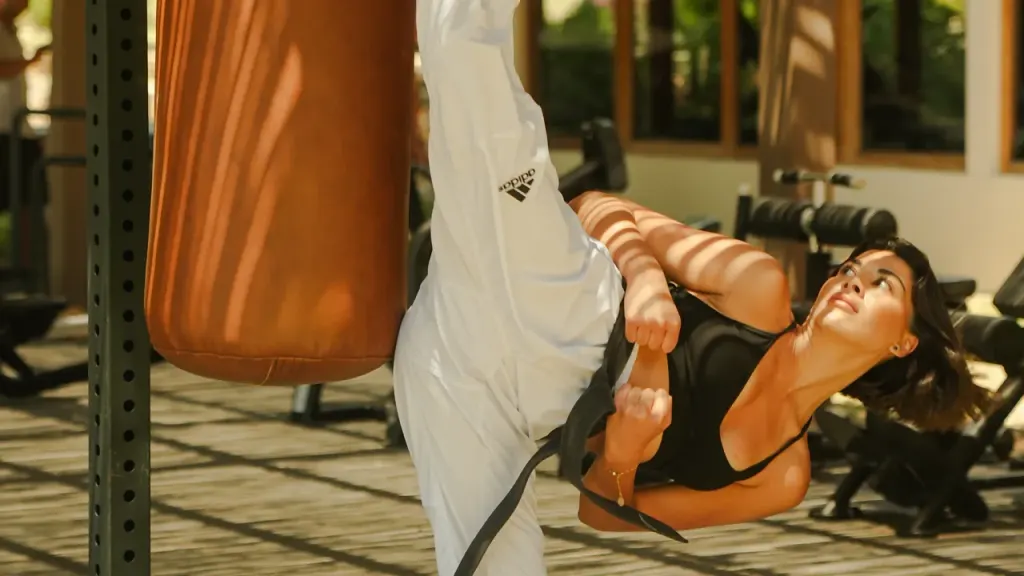
Kickboxing and reformer pilates together: a balanced weekly program
How explosive kickboxing and controlled reformer pilates complement each other, and how to place them in your week.
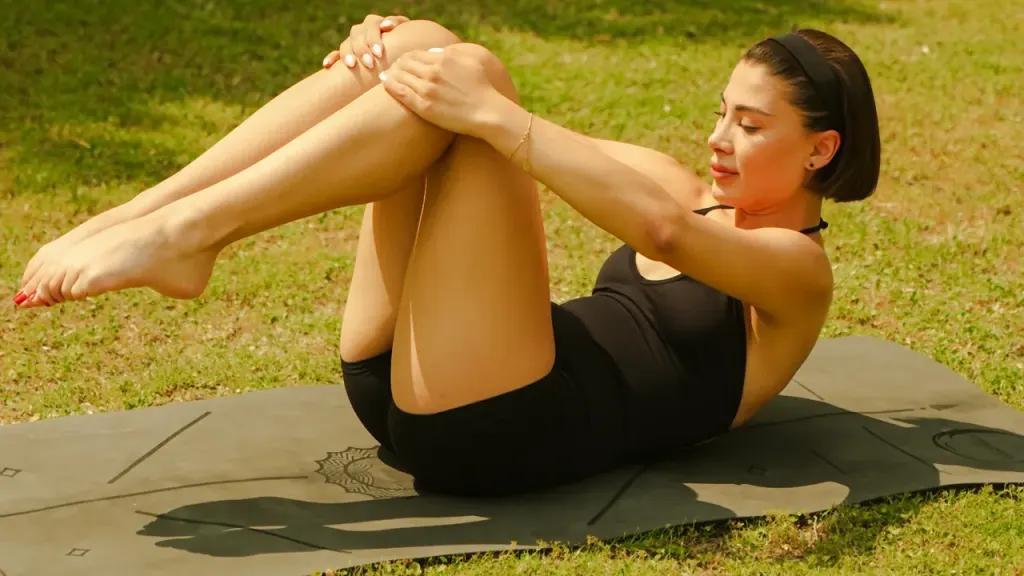
Training intensity with RPE: putting effort on a scale in the heat
A practical guide to using the perceived exertion (RPE) scale in the heat, in strength training and in group classes.
